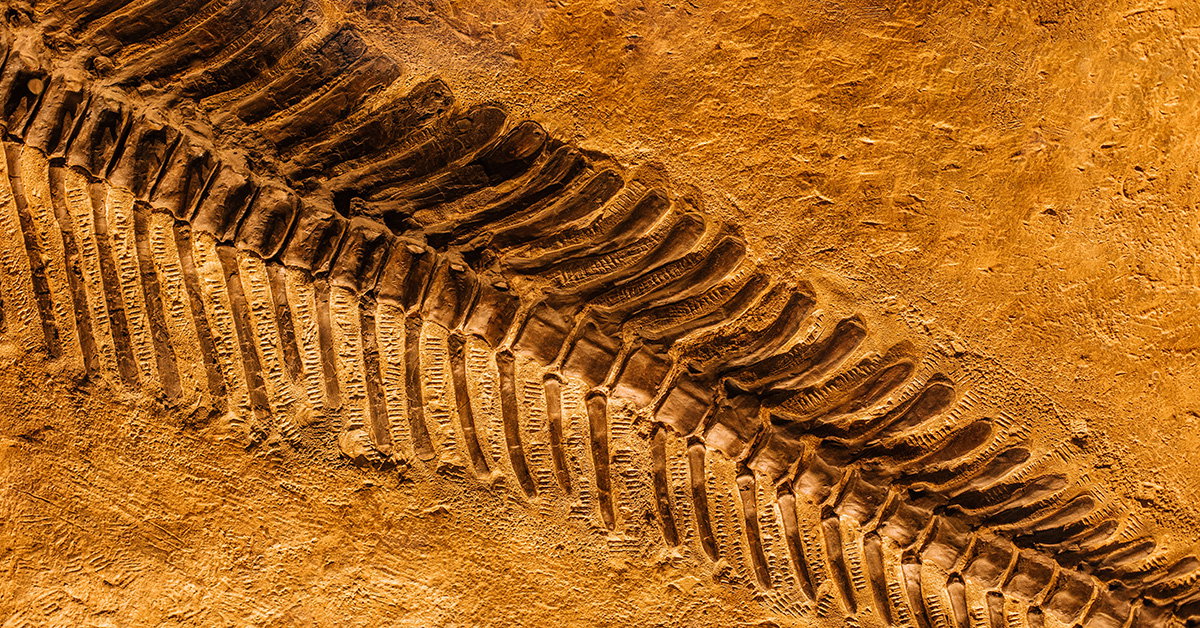
Research highlighted by Phys.org suggests that lichen-like organisms may have existed around 600 million years ago, raising the possibility that fungal-algal partnerships began much earlier than previously believed. If confirmed, the finding would push back an important chapter in the history of life on Earth.
Lichens are commonly understood as a close biological association between fungi and algae, making them a well-known example of symbiosis. In general, symbiosis describes a relationship in which two organisms sharing an environment influence one another, sometimes in ways that are beneficial and sometimes in ways that are more mixed.
The new interpretation points to the idea that this kind of partnership could have appeared deep in the prehistoric past, long before many scientists thought such complex organismal relationships became established. That matters because symbiotic systems are often linked to ecological stability, adaptation and the gradual development of more complex living communities.
While the claim is framed cautiously, the broader implication is significant: early Earth may have supported lichen-like life forms much sooner than standard timelines suggest. That would reshape discussions about the evolution of fungi, algae and the origins of long-term biological partnerships.