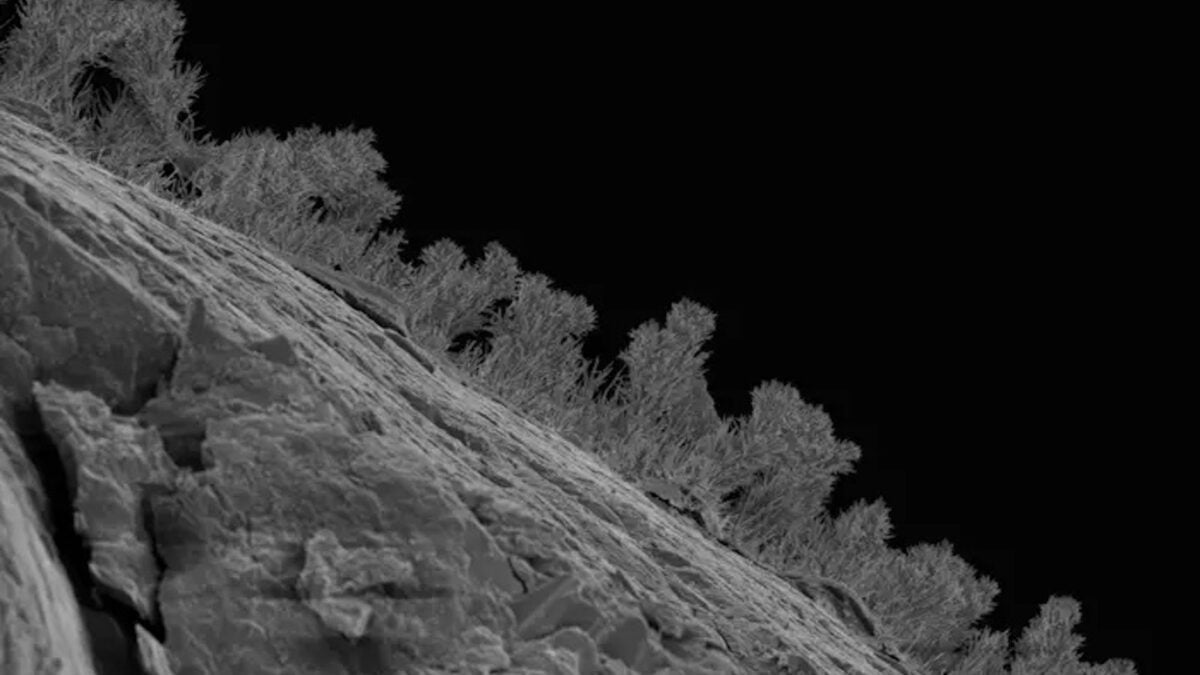
Scientists say the Great Lakes region may be home to a largely unseen underground ecosystem, where tiny organisms survive far below the surface. The research points to tardigrades, fungi that can interact with rock, and other microscopic life forms living in conditions once thought too extreme for such complex communities.
According to the report, this hidden biosphere exists hundreds of feet underground, beyond the environments most people associate with freshwater ecosystems. Instead of open water and sunlight, these organisms appear to persist in dark, isolated spaces where nutrients are scarce and the surrounding rock plays a major role in sustaining life.
The finding adds to growing evidence that life can adapt to remarkably hostile settings. By identifying organisms such as rock-eating fungi and resilient tardigrades in the deep subsurface, researchers are expanding scientific understanding of how ecosystems function in places with little energy, limited movement, and long-term isolation.
The discovery also has broader implications for the search for life in extreme environments on Earth and potentially beyond it. If complex microscopic communities can endure beneath the Great Lakes in deep rock, scientists may need to rethink where life can exist and how much of the planet's biodiversity remains hidden underground.





