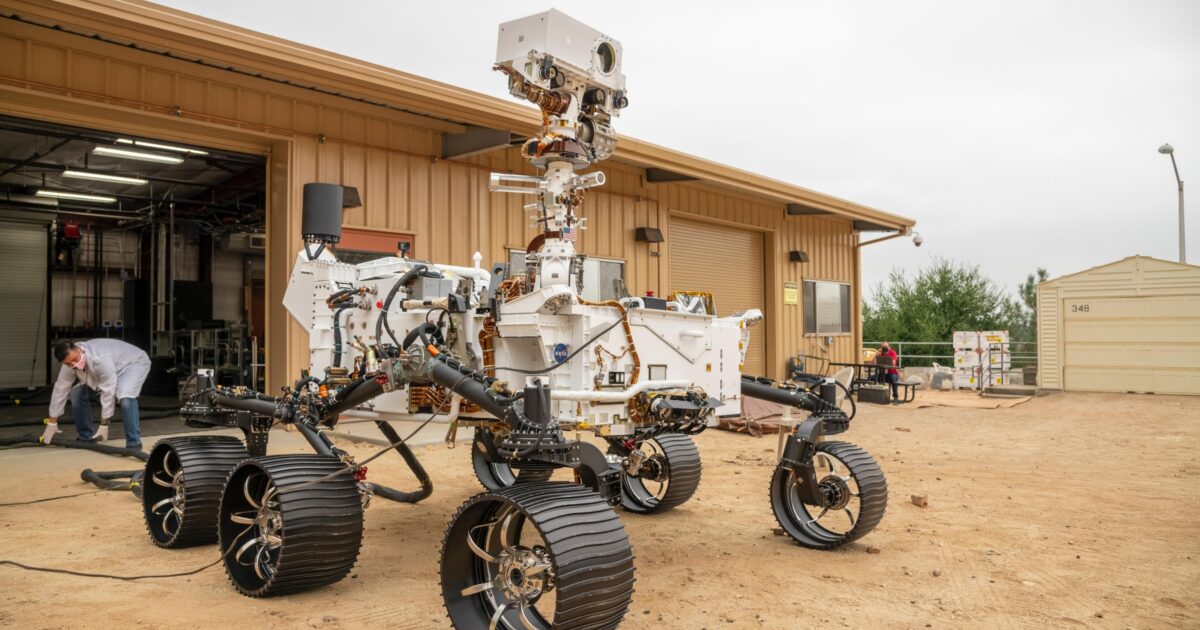
NASA is weighing a plan that could send an engineering version of a Mars rover to the Moon, putting fresh attention on the program known as PROMISE and the price attached to it. The central issue is not only whether the concept is technically useful, but whether the value of the mission would justify the cost.
According to the updated description of the plan, PROMISE is now presented as a hybrid built from both the Perseverance and Curiosity engineering testbeds, rather than relying on the Perseverance testbed alone. That revision matters because it changes how the project is understood, including what hardware might be involved and how NASA could adapt existing rover systems for a lunar role.
The idea highlights an unusual crossover between Mars and Moon exploration. Engineering copies are typically used for testing on Earth, but in this case NASA may be considering whether a rover derived from those systems could support work on the lunar surface. That naturally raises questions about performance, adaptation, and the broader purpose of using Mars-based rover heritage in a Moon mission.
The debate around PROMISE ultimately comes down to tradeoffs. Reusing proven rover designs can appear efficient, yet modifying and flying specialized hardware still carries significant expense. As NASA refines the concept, the updated hybrid approach adds another layer to the discussion over how much the agency should spend to turn a testbed rover into a lunar mission asset.