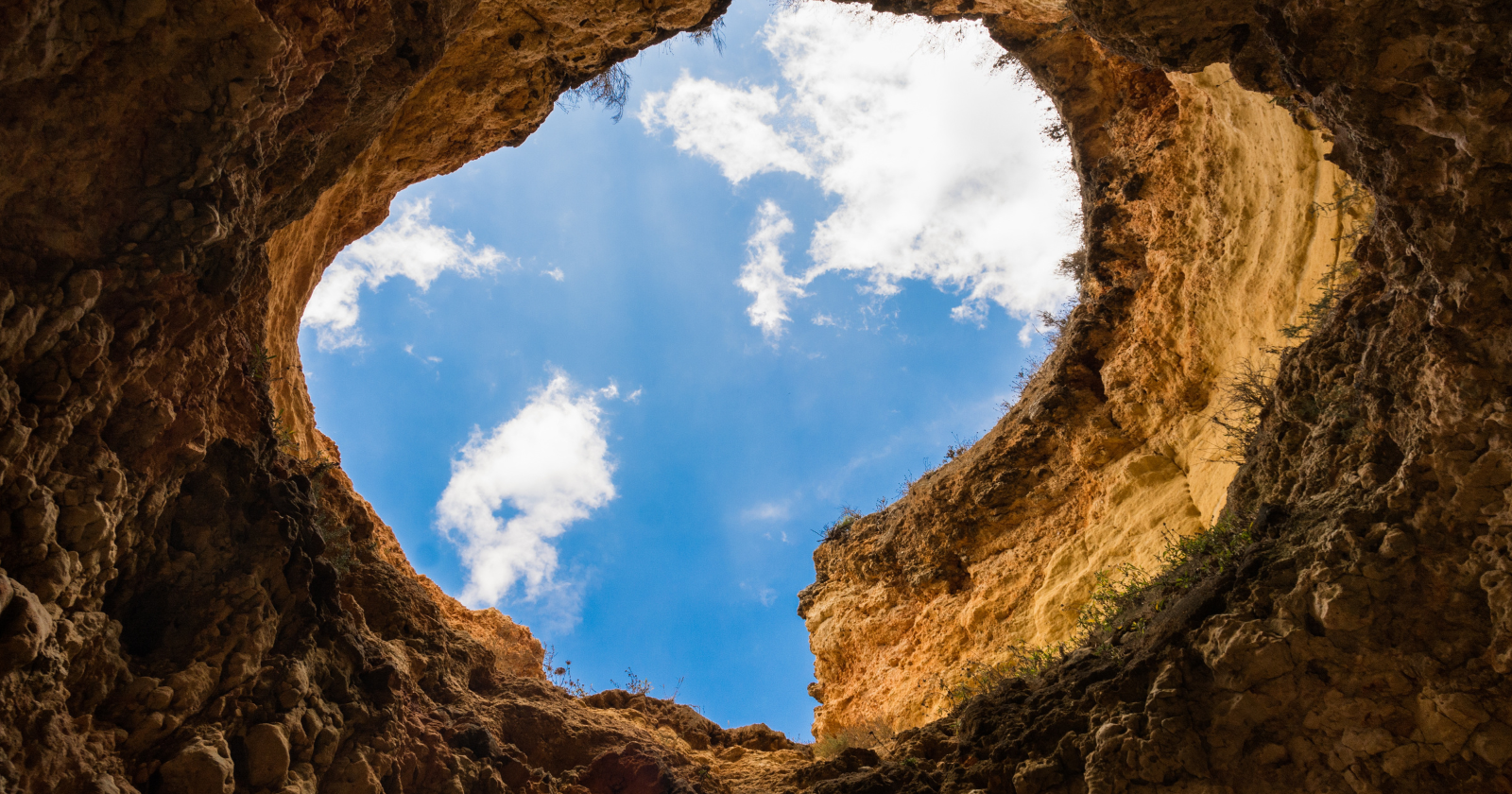
The Soviet drilling project on the Kola Peninsula remains the deepest vertical borehole ever made, reaching 12,262 metres in 1989 after work began in 1970. Even after roughly two decades of effort, the drill had only penetrated a tiny fraction of the distance toward Earth’s centre, underlining how difficult the planet’s interior is to access.
What stopped further progress was not simply depth, but the changing behavior of the rock far below the surface. At the bottom of the shaft, temperatures became so intense that the rock was described as hot and plastic, meaning it no longer behaved like solid, stable material and instead flowed back into the borehole.
That made the Kola project a powerful reminder of the limits of engineering when confronted with extreme underground conditions. The effort showed that drilling deeper into Earth is not just a matter of time and equipment, but also of surviving crushing heat and rock that can no longer hold its shape.
Active drilling ended in the early 1990s, leaving the Kola borehole as both a scientific milestone and a symbol of how little of the planet humans have physically explored. Despite reaching more than 12 kilometres down, the project barely scratched the surface compared with the full scale of Earth’s interior.





