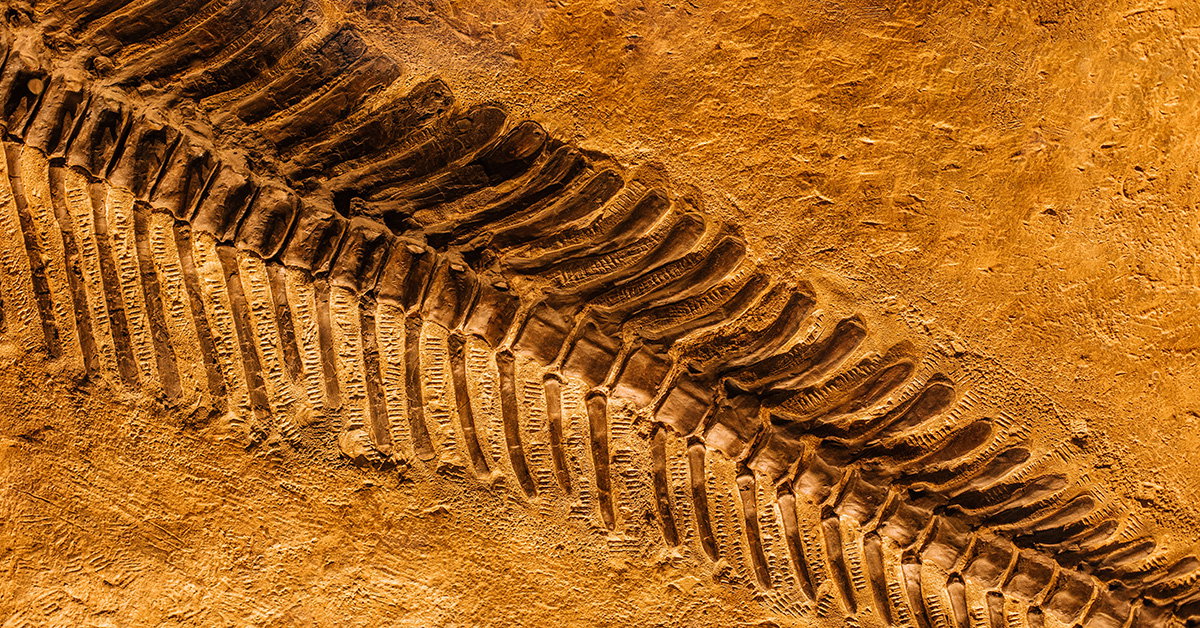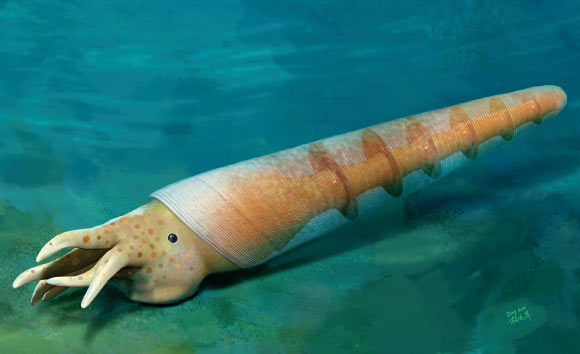
Paleontologists studying a fossil from China say they have identified the earliest known cephalopod with a siphuncle, an important structure in shelled cephalopods. The find dates to about 520 million years ago, placing it in the Early Cambrian and extending the fossil record for this feature much further back in time.
The siphuncle is a tube-like extension of the mantle associated with shelled cephalopods. Because it is a defining anatomical feature, its appearance in such an ancient specimen helps researchers track when key cephalopod traits first emerged. That makes the Chinese fossil especially significant for understanding how early members of the group evolved.
Scientists say the specimen helps fill a major gap in cephalopod evolutionary history. By showing that a cephalopod with a siphuncle existed this early, the discovery suggests that important aspects of cephalopod body design were already developing near the beginning of the animal group's fossil record.
The find adds new evidence to the picture of Early Cambrian marine life and offers a clearer timeline for the rise of early cephalopods. While more research will continue to refine that history, the fossil stands out as an important piece in explaining the origins of one of the ocean's most distinctive animal lineages.