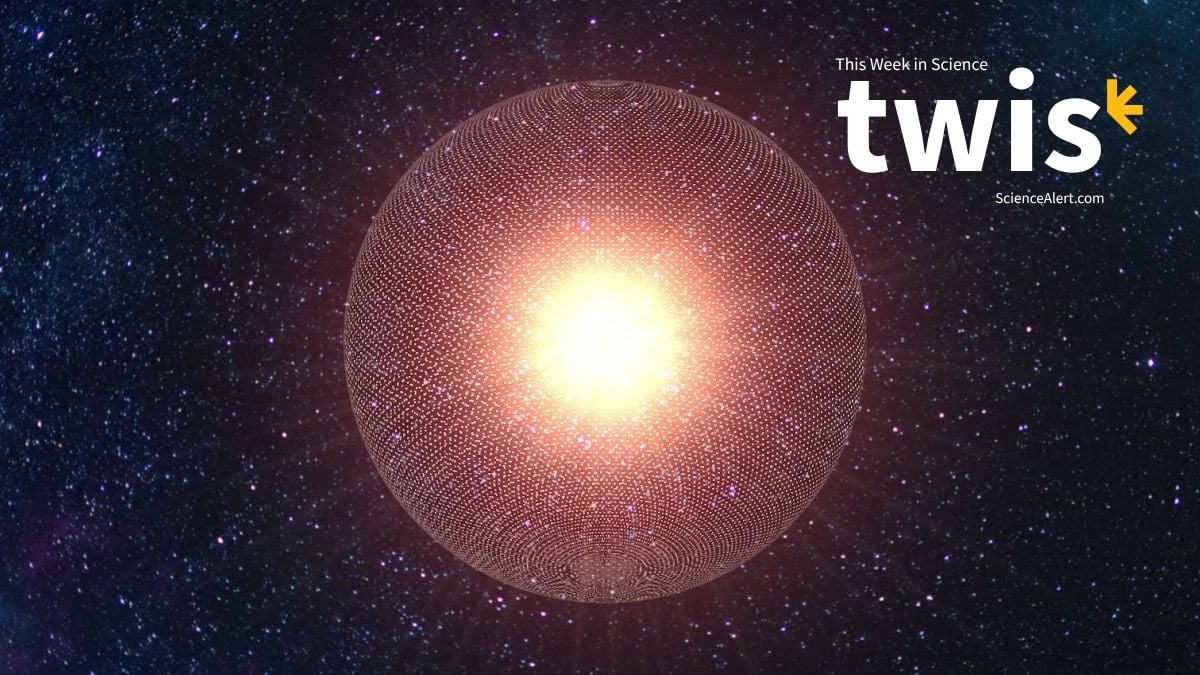
This week’s science roundup spans some of the field’s most intriguing subjects, from possible alien megastructures to archaeology in the Amazon and new health-related research. Leading the list is a look at two stars that had drawn attention as potential Dyson sphere candidates, with the James Webb Space Telescope taking a closer look.
That astronomy angle taps into one of science’s most persistent questions: whether unusual stellar signals could point to advanced technology rather than natural explanations. By revisiting promising targets with stronger instruments, researchers can more carefully test ideas that often capture public imagination.
The roundup also highlights hidden structures in the Amazon, suggesting that major discoveries can still emerge from regions long thought to be too dense or remote for a clear view of earlier human activity. Findings like these continue to reshape understanding of how people may have lived in and modified rainforest environments.
Elsewhere, the selection touches on research into creatine’s effect on cancer and an unusual dinosaur-era “turducken” story, showing how one week in science can connect space, medicine and ancient life. Taken together, the featured studies reflect a broad mix of curiosity-driven investigation and efforts to answer long-standing questions with new tools and evidence.