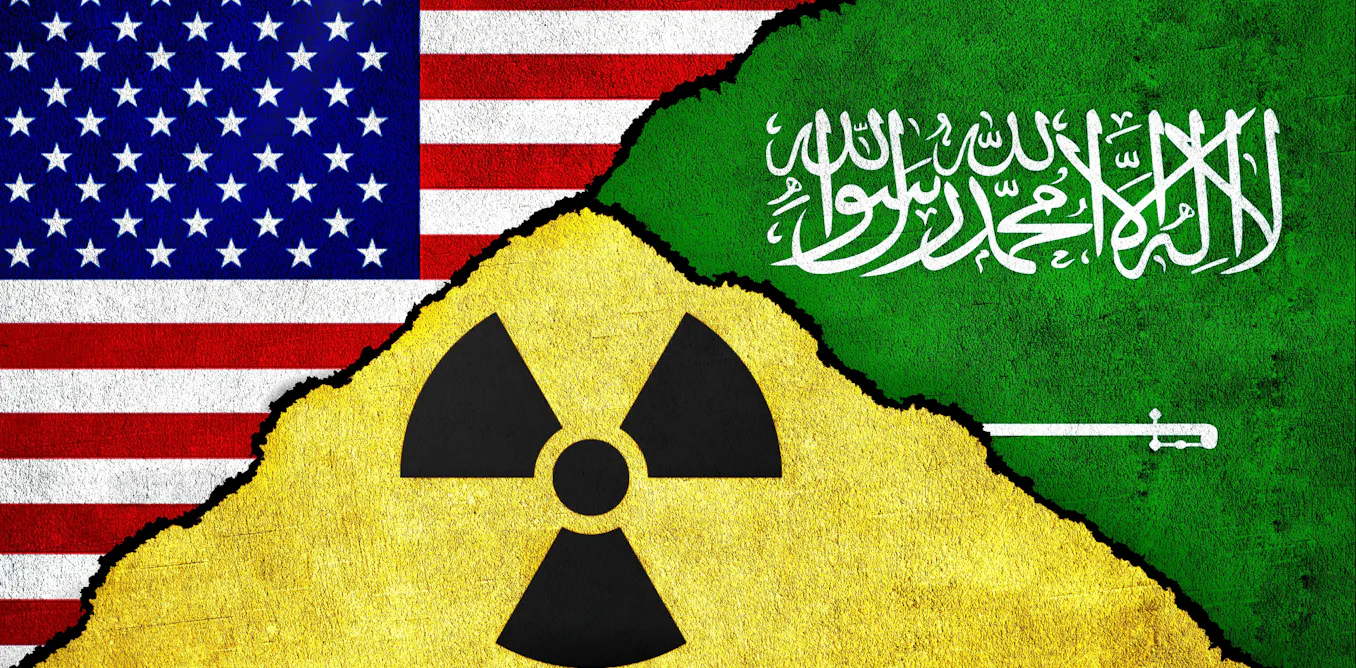
Debate over whether Saudi Arabia wants to develop nuclear weapons has intensified after news of a US-Saudi nuclear deal. The issue surfaced at a moment of heightened regional tension, with the announcement described as coming in the middle of a wider Gulf conflict.
The historical picture, however, points to strong limits on any Saudi move toward a nuclear arsenal. According to the article’s framing, US pressure has been one of the biggest restraining forces. Saudi Arabia’s close relationship with Washington has long meant that any shift toward weapons development would carry major strategic and diplomatic consequences.
Economic realities have also mattered. Building a nuclear weapons capability is not only a political decision but an expensive and technically demanding one. History suggests that these costs, combined with outside pressure, have helped prevent Saudi Arabia from pursuing a bomb even when regional security concerns have sharpened.
That makes the current discussion less about a sudden break from the past and more about how old constraints hold up under new geopolitical stress. The central lesson from history is that Saudi nuclear ambitions, if they exist, have repeatedly run into the same barriers: alliance politics, international scrutiny and the heavy economic burden of creating a nuclear arsenal.