Questions over whether Israel is truly prepared to withdraw from Gaza have intensified after a reported disarmament agreement involving Hamas. The issue has quickly become more than a military or diplomatic matter, with the potential Israeli pullout now tied to how, when and under what conditions weapons in Gaza would be surrendered.
The development has been welcomed publicly by US President Donald Trump, who has projected confidence since news emerged that Hamas had agreed to hand over its weaponry in Gaza. But the limited details available suggest the arrangement is more complicated than a simple breakthrough, especially because the terms of the agreement appear central to any discussion of an Israeli withdrawal.
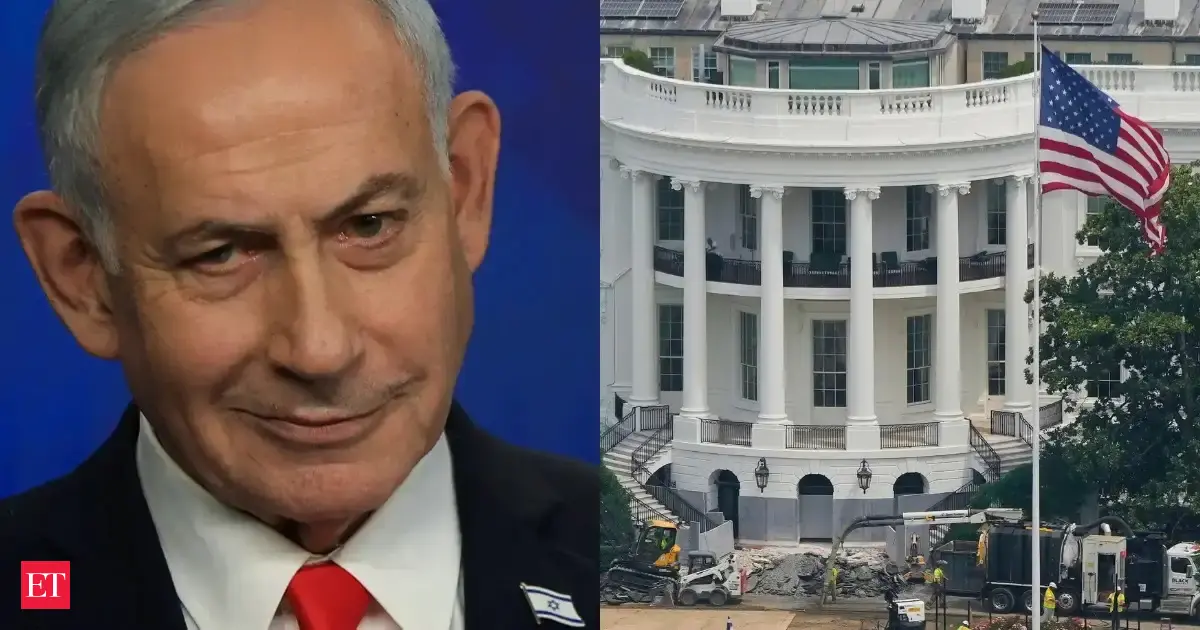
For Prime Minister Benjamin Netanyahu, the Gaza disarmament plan is also creating political strain at home. Any move toward leaving the enclave could trigger resistance from parts of Israel's political landscape, particularly if critics believe the disarmament process is incomplete, weakly enforced or too dependent on uncertain guarantees.
That leaves Israel facing a core dilemma: whether a promise of disarmament is enough to justify a withdrawal, or whether the risks of leaving Gaza remain too high. As debate continues, the main question is no longer just whether a deal exists, but whether its terms are strong enough to support a lasting Israeli exit from the enclave.