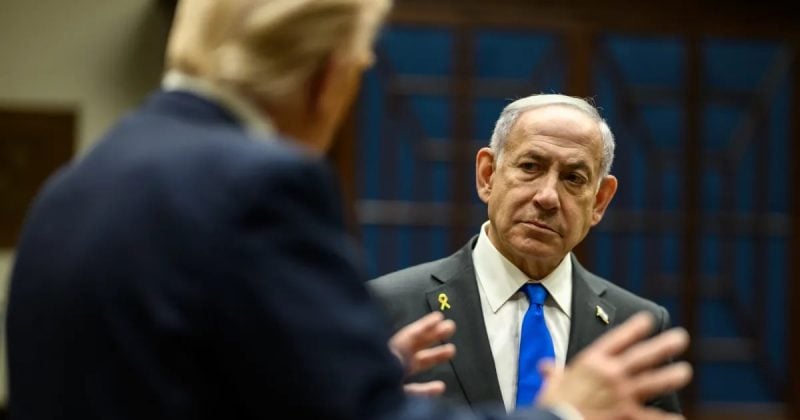
Israeli Prime Minister Benjamin Netanyahu has reportedly pushed U.S. President Donald Trump to increase pressure on Iran, while Saudi Arabia has called for de-escalation. The contrast highlights a widening gap between two major U.S. partners in the Middle East as regional tensions remain elevated.
The different approaches could make Washington’s diplomatic balancing act more difficult. If one ally is urging a harder line and another is emphasizing restraint, the United States may face added pressure in deciding how to respond without further destabilizing the region.
The split also matters beyond diplomacy. Shifts in rhetoric from Israel, Saudi Arabia and the United States can influence expectations around regional stability, energy prices and broader market sentiment. Investors often react quickly when tensions involving Iran appear to intensify or ease.
For now, the key development is the divergence in strategy: Israel appears to favor stronger pressure, while Saudi Arabia is signaling caution and a desire to lower the temperature. That divide could shape the next phase of U.S. engagement with Iran and affect how markets interpret risks across the Middle East.