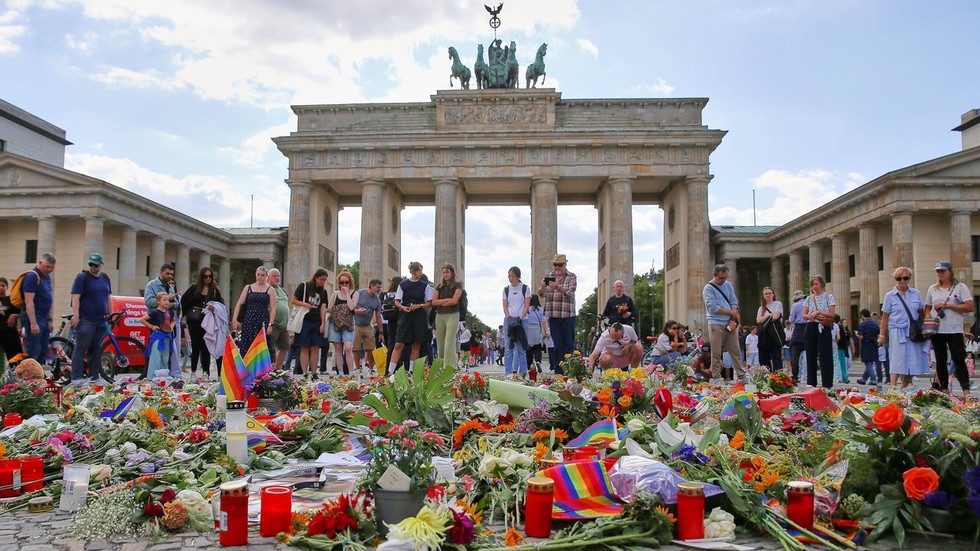
German officials are facing growing pressure after a deadly Berlin attack in which a car was driven into a gay pride parade. The focus has quickly shifted from the attack itself to the suspect’s background, with reports saying he was already known to authorities as an Islamist radical.
The controversy deepened after it emerged that the suspect had been released from prison on probation only months before the incident. That revelation has triggered a political and institutional blame game, as questions mount over how someone considered a potential risk was allowed back into society without preventing a new attack.
The case is now highlighting possible failures across several parts of the system, including prison oversight, probation decisions and security monitoring. German authorities are under pressure to clarify whether earlier concerns were properly assessed and whether warning signs were missed or not shared effectively.
Beyond the immediate investigation, the Berlin attack is likely to intensify debate in Germany over public safety, extremist threats and the supervision of offenders after release. For now, the central issue remains why a known radical was in a position to carry out a deadly assault at a major public event.