The discussion highlighted by Juan Cole and Ian Masters examines how concerns once centered on the Strait of Hormuz are increasingly tied to the Red Sea. The core argument is that regional pressure points are shifting, with the Houthis seen as taking advantage of Saudi Arabia’s difficult position.
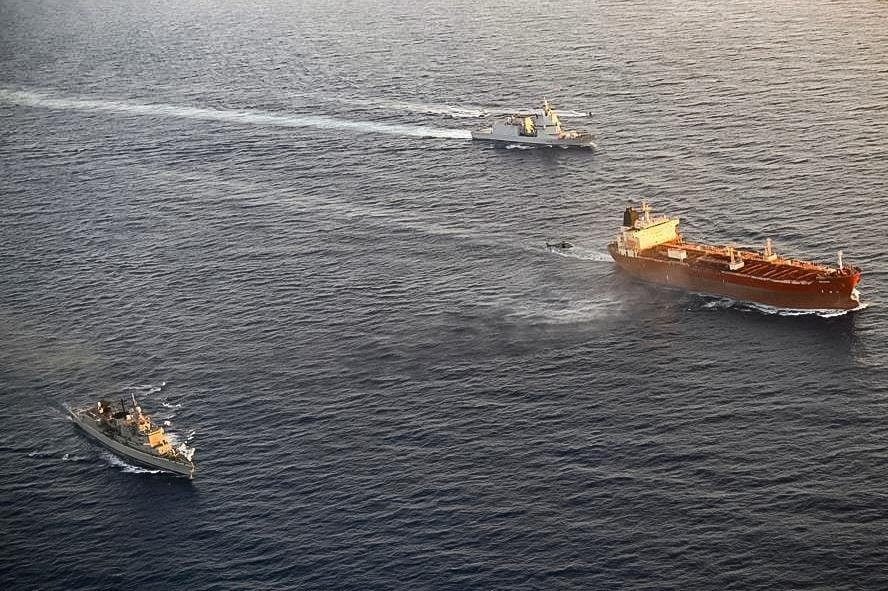
In this framing, the issue is not only about one chokepoint or one conflict zone. It is about how instability around major maritime routes can spread from the Gulf to the Red Sea, raising wider fears about energy flows, shipping security and the balance of power in the Middle East.
The description suggests that Saudi Arabia is facing strategic constraints, creating an opening for the Houthis to increase pressure. That dynamic matters because both the Strait of Hormuz and the Red Sea are closely watched corridors for global trade and energy movement, so disruption in either area can quickly become an international concern.
Rather than treating the Hormuz and Red Sea problems as separate crises, the analysis presents them as connected parts of a broader regional challenge. In that view, the Houthis’ actions and Saudi Arabia’s vulnerabilities are helping turn an energy and maritime security problem into a wider Red Sea crisis.