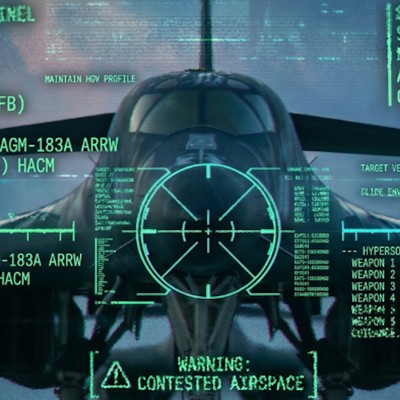
Defense One’s “Shock wave” imagines an alternate near-future in which the United States pushed harder on hypersonic weapons and moved ahead of China in developing them. The piece is presented as a fictional scenario rather than a report on current battlefield events, using that premise to explore how military planning and regional tensions could look different.
The setup centers on a major U.S. Air Force exercise that deploys hypersonic weapons to Guam. That location matters because Guam is a key American military hub in the Pacific, making it a natural focal point for any discussion about deterrence, force projection and the balance of power in the Indo-Pacific.
By flipping the more familiar narrative about China’s progress in hypersonic systems, the scenario asks readers to consider how a U.S. technological lead might affect strategic calculations. A faster American push in this area could reshape decisions by military commanders, alter allied expectations and change how rivals respond to visible deployments during exercises.
At its core, the story uses fiction to test a serious defense question: what would change if Washington, not Beijing, held the clearer advantage in hypersonic weapons development? Through the Guam exercise scenario, it highlights the broader stakes of advanced missile competition between the U.S. and China.