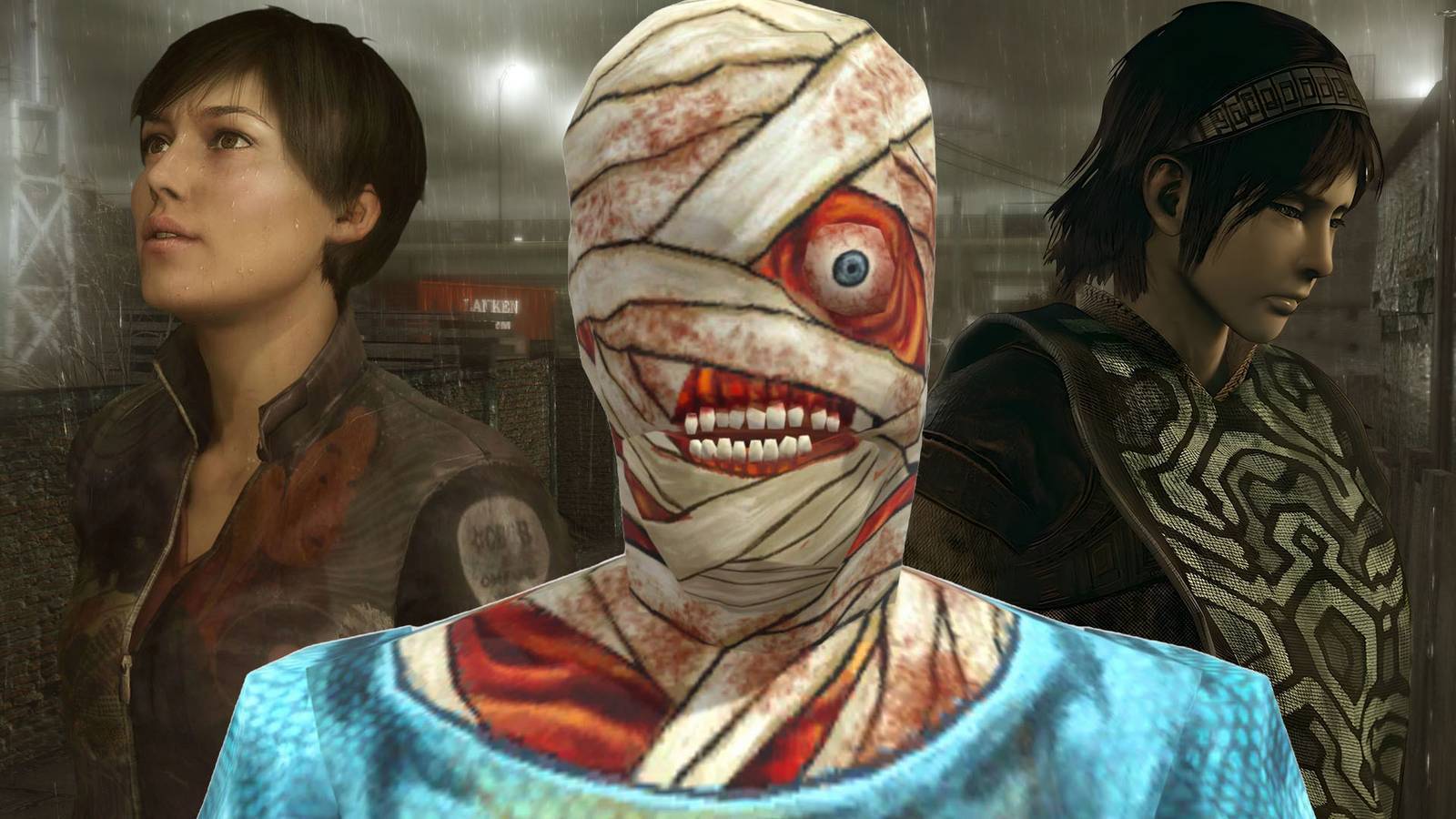
A recent gaming roundup explores one of the medium’s most effective narrative tricks: making players believe they are the hero, only to reveal much later that they were actually the villain. Because games put players directly in control of the action, that kind of reversal can hit harder than it does in film or television.
The idea works by leaning on familiar expectations. Many players begin a story assuming their mission is righteous, their enemies deserve to lose, and their choices are pushing the world toward a better outcome. The featured games challenge that assumption, gradually exposing hidden motives, incomplete information, or the damage caused by the player’s own actions.
What makes these villain reveals so memorable is the sense of participation. Instead of simply watching a protagonist make bad decisions, players are the ones carrying them out. That can turn a late-game twist into something more unsettling, forcing a rethinking of everything that came before and blurring the line between heroism and harm.
The article ultimately highlights how interactive storytelling can play with morality in ways few other formats can match. Games built around this kind of reversal do more than surprise players; they use perspective, control, and delayed truth to leave a lasting impression long after the final reveal.