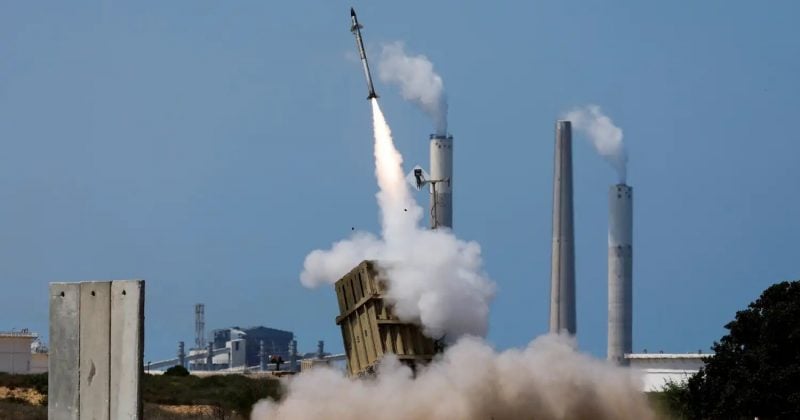
Israel has blocked a US-backed transfer of the Iron Dome air defense system to Ukraine, according to the report, adding a new layer of tension to an already complex set of wartime alliances. The move underscores how military support decisions are shaped not only by battlefield needs, but also by the political limits imposed by partner governments.
The reported veto draws attention to the complicated relationship between Israel, the United States and Ukraine. Even when Washington is prepared to fund or facilitate defense support, the original supplier can still hold decisive influence over where sensitive systems are sent. That reality highlights the strategic constraints affecting Western military cooperation.
Beyond the immediate question of air defense, the decision may also influence how governments think about defense spending and procurement risk. When access to key systems depends on multiple political approvals, countries may place greater emphasis on supply-chain certainty, domestic production and backup options. In that sense, the issue reaches beyond one transfer and into the wider structure of global defense markets.
For Ukraine, the episode reinforces the importance of strategic autonomy as it seeks to secure long-term military resilience. If outside approvals can delay or block critical equipment, Kyiv may be pushed to diversify its partnerships and reduce dependence on any single channel. The broader message is that geopolitical risk now plays a central role in defense planning, budgeting and international collaboration.