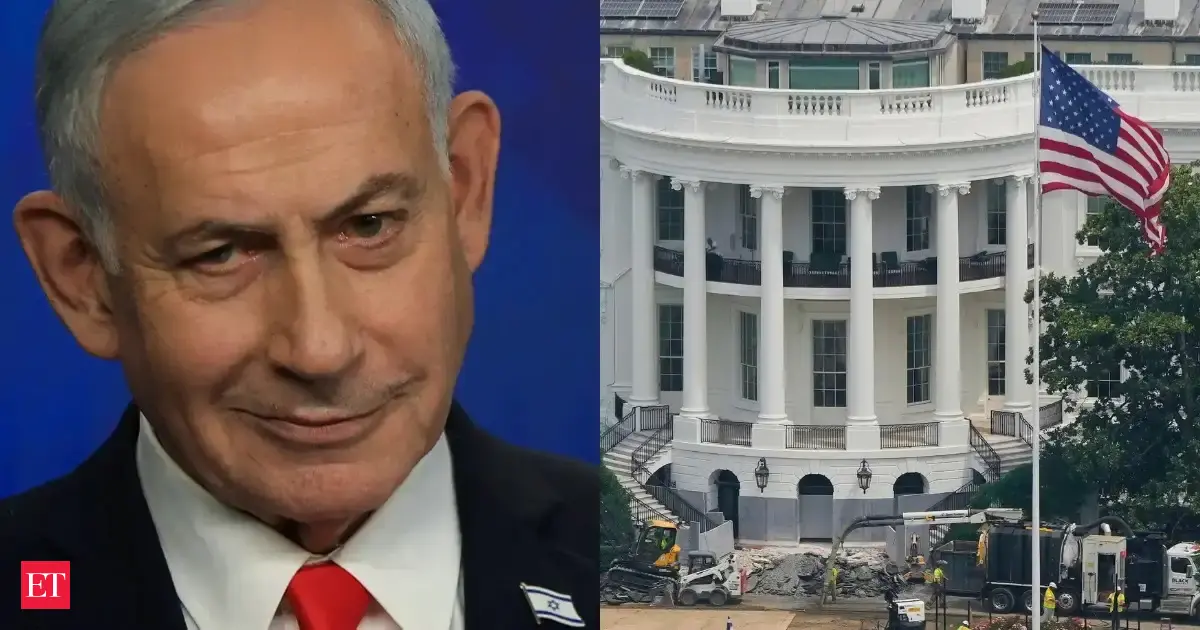
A political dispute over Israel and Gaza has intensified after former New York City Mayor Bill de Blasio defended Mayor Zohran Mamdani’s description of Israeli Prime Minister Benjamin Netanyahu as a war criminal. According to the piece, de Blasio’s main justification was the scale of civilian casualties in Gaza.
The article argues that Mamdani’s use of terms such as genocide does more than damage Israel’s standing. Its central claim is that language of this kind can have broader consequences, shaping how conflicts are discussed and how accusations against national leaders are understood in public life.
In that framing, the debate is not only about Netanyahu or the current war. It is also about the threshold for applying the most serious labels in international politics, and whether casualty figures alone should determine when those accusations are made by elected officials.
The piece presents the controversy as part of a wider fight over political rhetoric in the United States, especially when local leaders weigh in on overseas conflicts. It suggests that once words like genocide and war criminal enter mainstream political debate, the effects can reach beyond Israel and influence how other nations and future conflicts are judged.