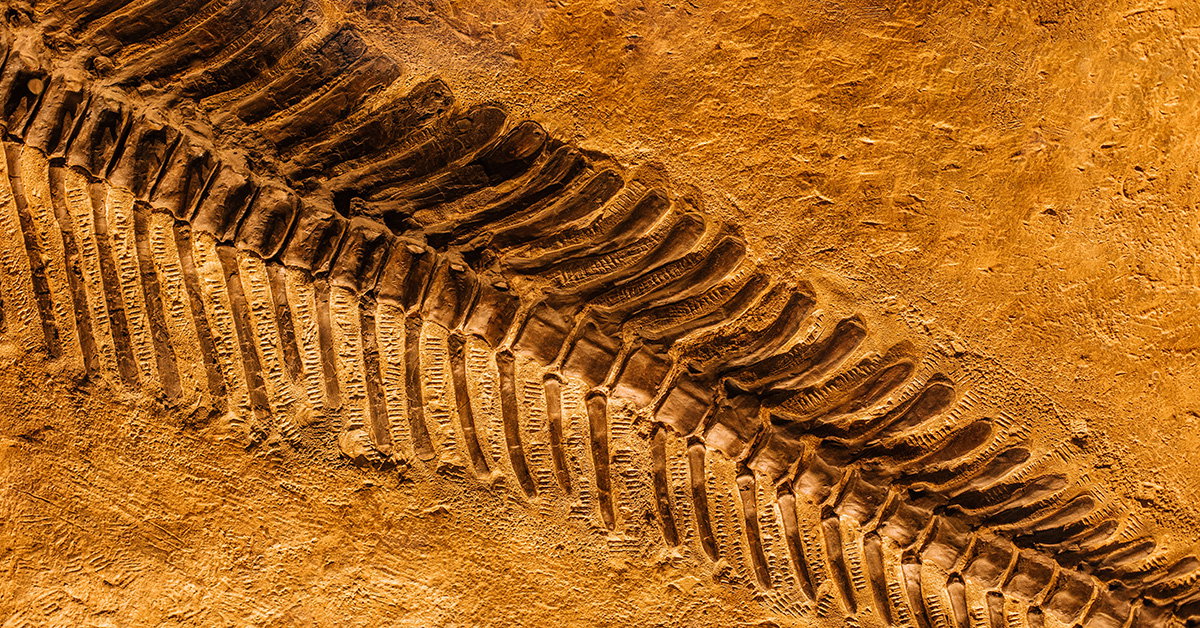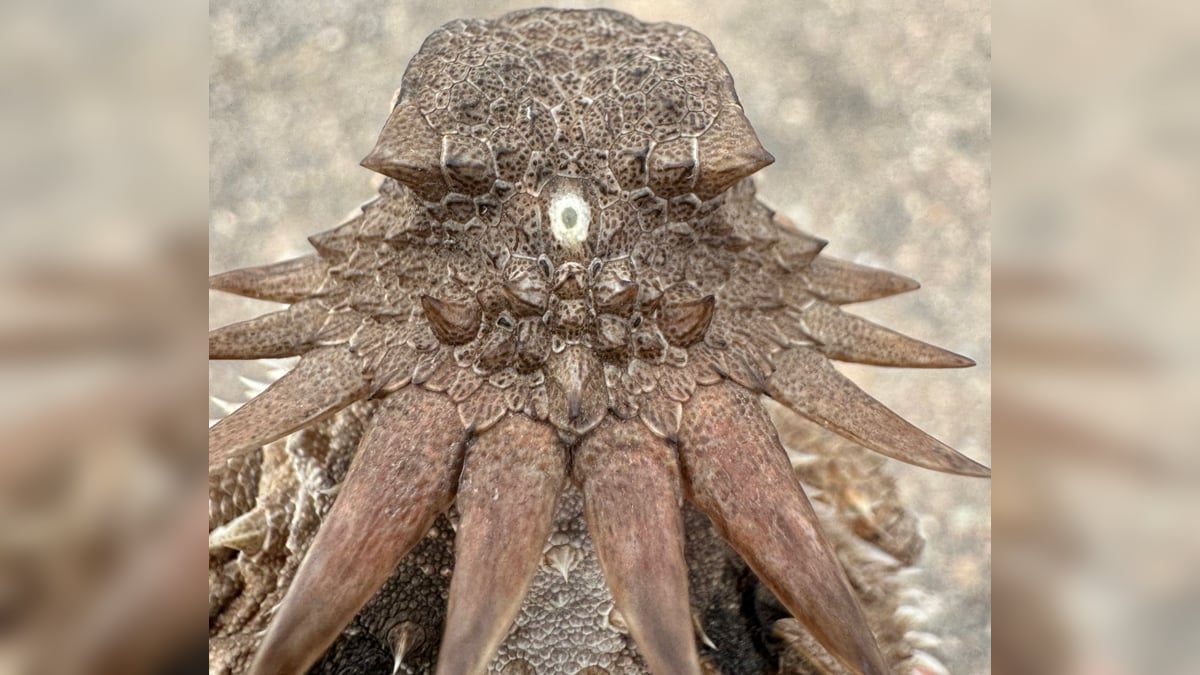
The human eye is often described as one of nature’s most intricate visual systems, but new research suggests its story may begin in a much simpler form. According to the report, scientists think the roots of human vision could stretch back roughly 600 million years to a small, worm-like sea animal with a single eye positioned in the middle of its head.
That unusual creature has been compared to a tiny “cyclops,” highlighting how different early vision may have looked from the complex eyes seen in people today. The idea points to a very distant evolutionary starting point, where a basic light-sensing structure may have laid groundwork for far more advanced visual organs over immense spans of time.
The study adds to a broader effort to understand how the human eye evolved from ancient life in the oceans. Rather than appearing suddenly, complex vision is thought to have developed through many gradual changes, beginning with simple systems that helped early organisms detect light and navigate their environment.
If the findings hold up, they would offer another clue about the deep evolutionary history of the eye and how a simple central eye in an ancient marine creature may connect to one of the most sophisticated sensory systems in the animal world.