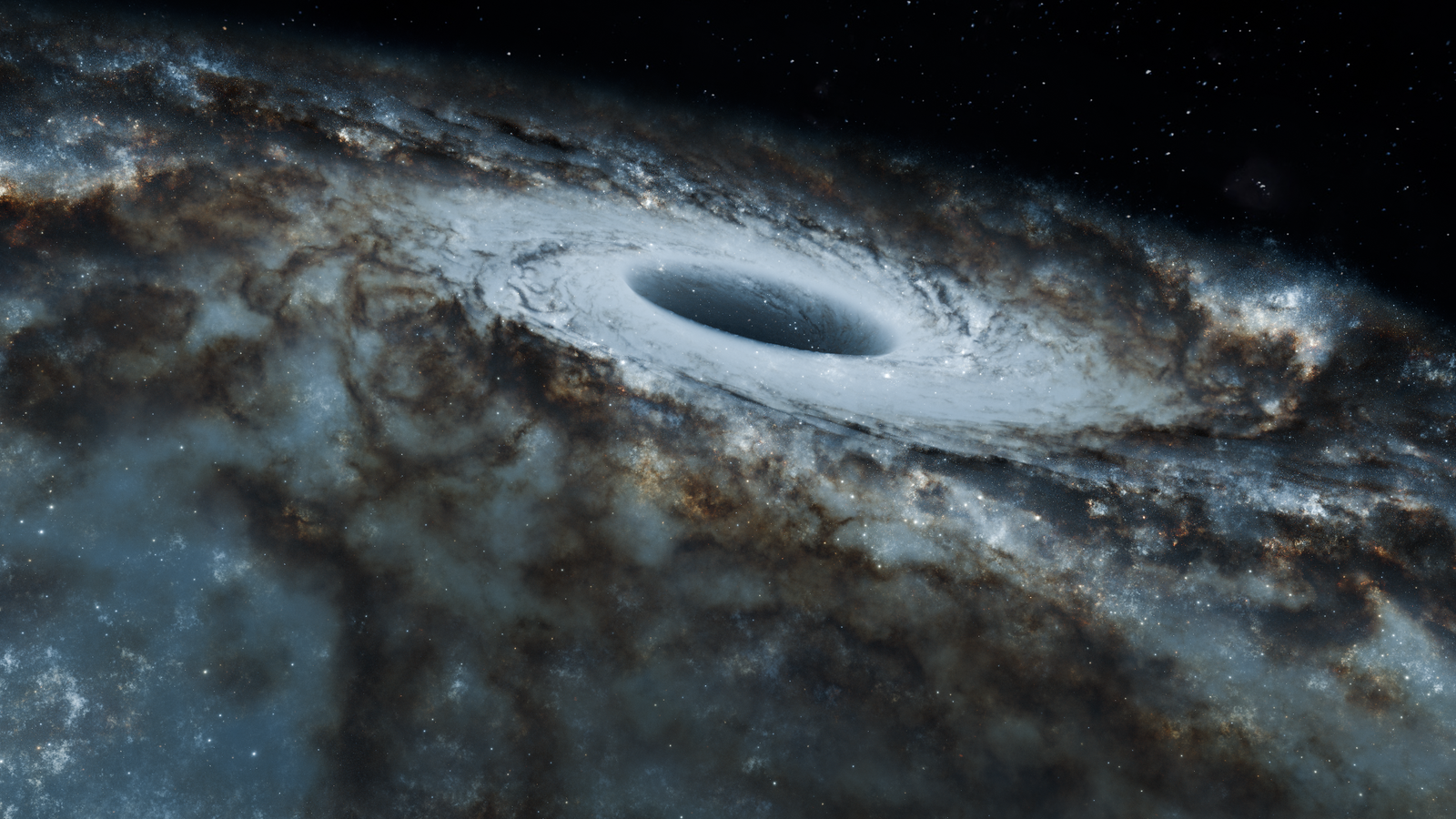
Observations from the James Webb Space Telescope are deepening a major cosmic mystery: some supermassive black holes in the infant universe appear far larger than current theories would predict. In a few cases, researchers say these objects may even outweigh all the stars in their host galaxies combined, an extreme imbalance that is difficult to fit into the standard picture of black hole growth.
The usual model holds that black holes and galaxies build up together over long periods, with each influencing the other's development. But these newly studied systems seem to show black holes reaching enormous sizes very early in cosmic history, before their surrounding galaxies appear to have assembled enough stars to match them. That raises the possibility that the growth of these giants was faster, more efficient, or more complex than astronomers have assumed.
The findings come as black hole research has already entered a new era. Between 2019 and 2022, astronomers released two direct images of the region immediately around a black hole, giving the public and the scientific community an unprecedented view of these extreme objects. Now, Webb is extending that revolution by uncovering black holes in the young universe that may force a broader rethink of how the earliest cosmic structures formed.
If these measurements hold up, the implications could be significant for models of galaxy evolution and the timing of black hole formation after the Big Bang. Rather than simply refining existing ideas, astronomers may need to revisit some basic assumptions about how supermassive black holes emerged so quickly in the universe's earliest epochs.