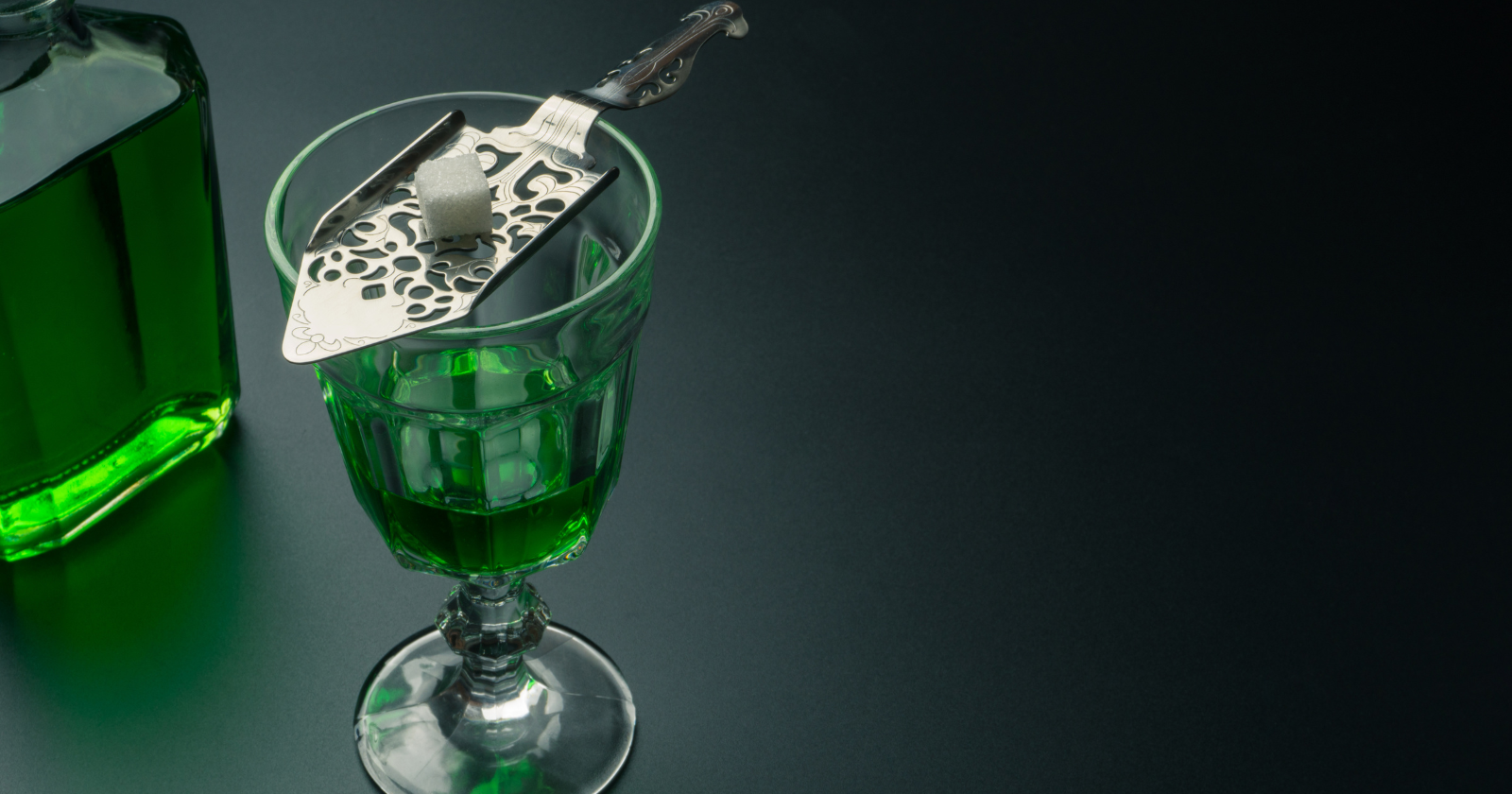
For decades, absinthe carried a reputation as a dangerous drink blamed for hallucinations, madness and moral decline. That fear helped drive bans across much of the Western world, with wormwood often treated as the hidden source of the alleged harm.
But laboratory work on surviving bottles from the pre-ban era challenged that story. In 2008, a team led by Dirk Lachenmeier at the Chemical and Veterinary Investigation Laboratory in Karlsruhe examined thirteen sealed bottles that had remained intact since the drink’s earlier heyday.
According to the account, the testing did not uncover any mysterious toxic compound that would explain the drink’s notorious image. Instead, the findings pointed to something far less exotic: absinthe was essentially a very high-proof alcoholic spirit, with its risks tied more to strength than to a unique hallucinogenic ingredient.
The results helped recast one of alcohol history’s most famous myths. Rather than proving that wormwood made absinthe uniquely mind-altering, the analysis suggested that a long period of prohibition had been built on panic and misunderstanding surrounding an unusually potent liquor.