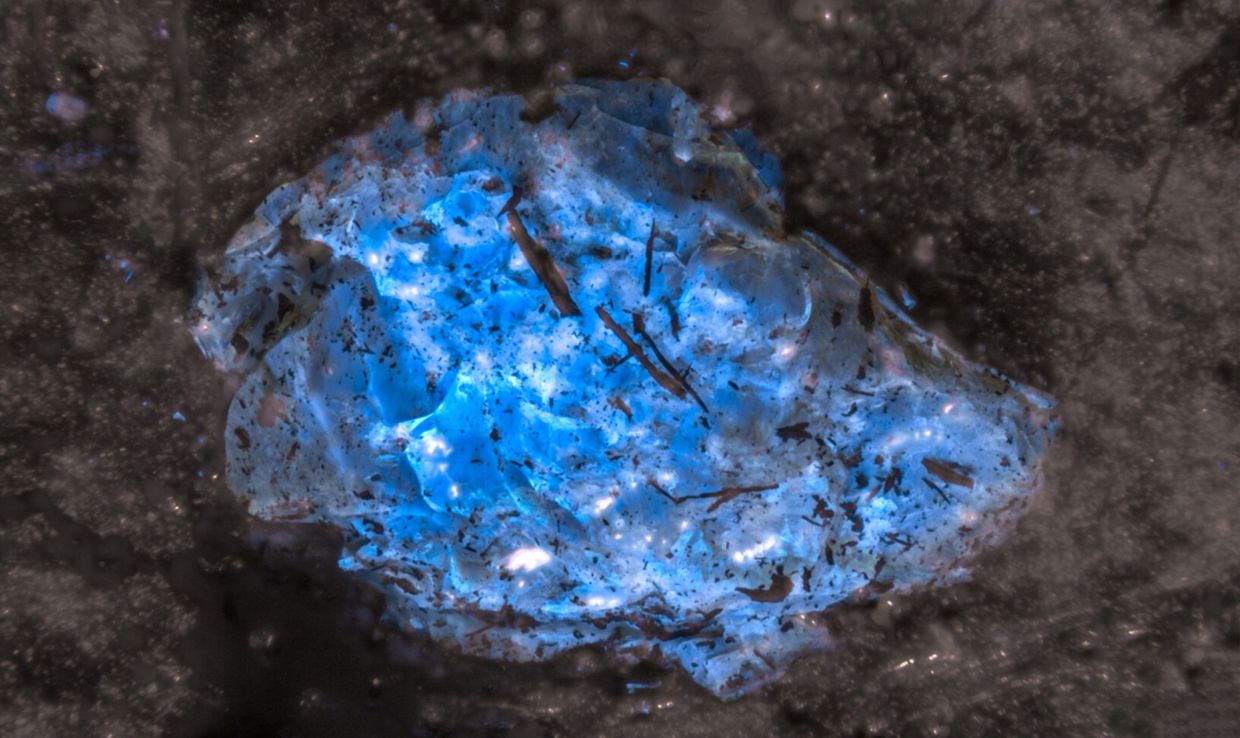
Scientists in China say they have identified the oldest verified amber ever found, after uncovering the material in an ancient coal seam in Xinjiang. The discovery points to plants producing resin about 385 million years ago, extending the known history of that natural defense system much further back in time.
According to the study, the find suggests ancient plants were already secreting resin to protect themselves long before earlier evidence had shown. Researchers say this pushes the timeline for resin production back by roughly 65 million years, reshaping ideas about when plants developed that capability.
Amber forms when resin hardens and survives over immense spans of geological time. Because of that, a confirmed specimen from Xinjiang offers scientists a rare window into very early plant life and the environmental conditions in which those organisms lived.
The Xinjiang amber discovery is likely to draw attention from paleobotanists and geologists because it adds a significant new data point to the fossil record. If further analysis supports the finding, the specimen could become an important reference for understanding the evolution of plant defenses on Earth.