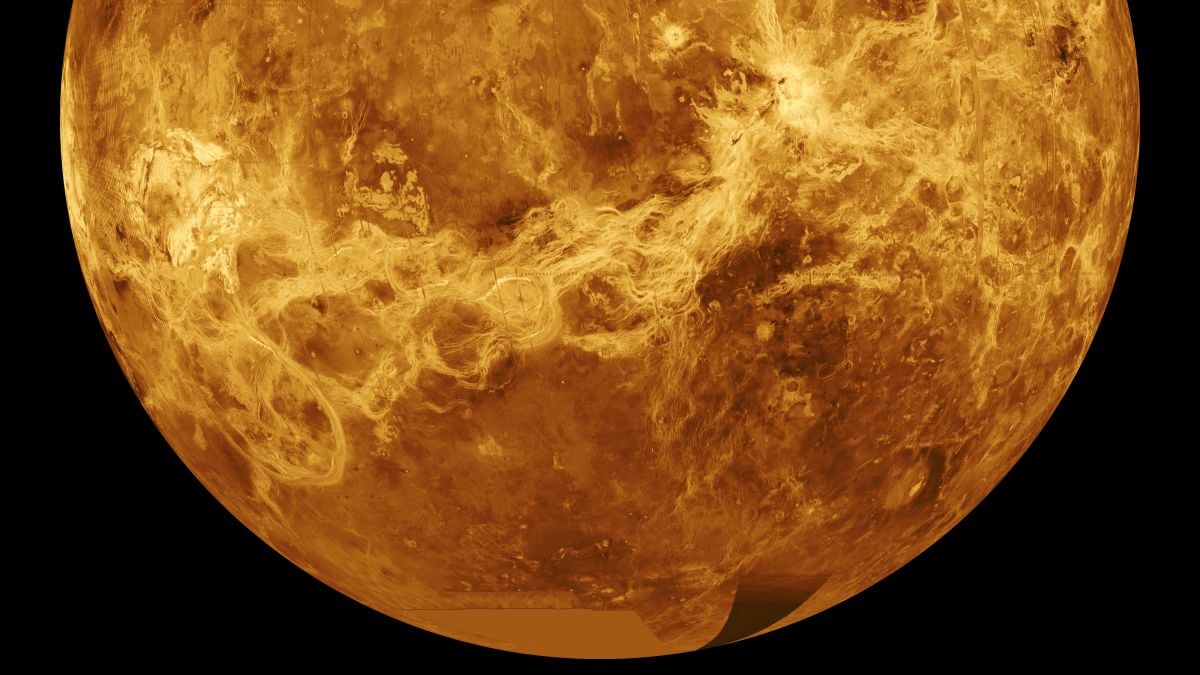
Venus is often described as Earth's near twin because the two planets are similar in size and overall makeup. Yet the worlds seen today could hardly look more different. Earth is rich in water and life, while Venus is extremely hot, dry, and hostile.
New research now suggests that Venus may once have been much wetter than it is today. According to the study highlighted in the report, oceans may have covered as much as 90% of the planet's surface in the distant past, raising the possibility that Venus once looked far less like the furnace it is now.
That idea matters because it could help explain how two neighboring rocky planets took such different paths. If Venus really had widespread water early on, scientists may be able to learn more about when and how it lost that water, and why its climate shifted so dramatically over time.
The findings add to the broader effort to understand planetary evolution and habitability. By comparing Earth and Venus, researchers hope to better understand not only the history of our nearest planetary neighbor, but also how rocky worlds elsewhere in the universe can change from potentially wet environments into extreme, unlivable ones.





