Hunger strikes have long held a special place in Indian public life, where self-denial is often seen as a powerful form of moral protest. The tactic has been used to draw attention to causes, pressure governments and turn individual acts of sacrifice into national political moments.
India’s history offers some of the clearest examples of that influence. From the era of Gandhi onward, fasting has been used not just as a symbolic gesture but as a tool that can reshape debate and, in at least one major case, even help alter the country’s political map.
In more recent years, activists have continued to rely on the same method. Anna Hazare’s 13-day fast in 2011 helped energize an anti-corruption movement that briefly gripped the country. Irom Sharmila also became one of the most prominent faces of protest through a prolonged fast against a controversial security law, showing how hunger strikes can keep difficult issues in the public eye for years.
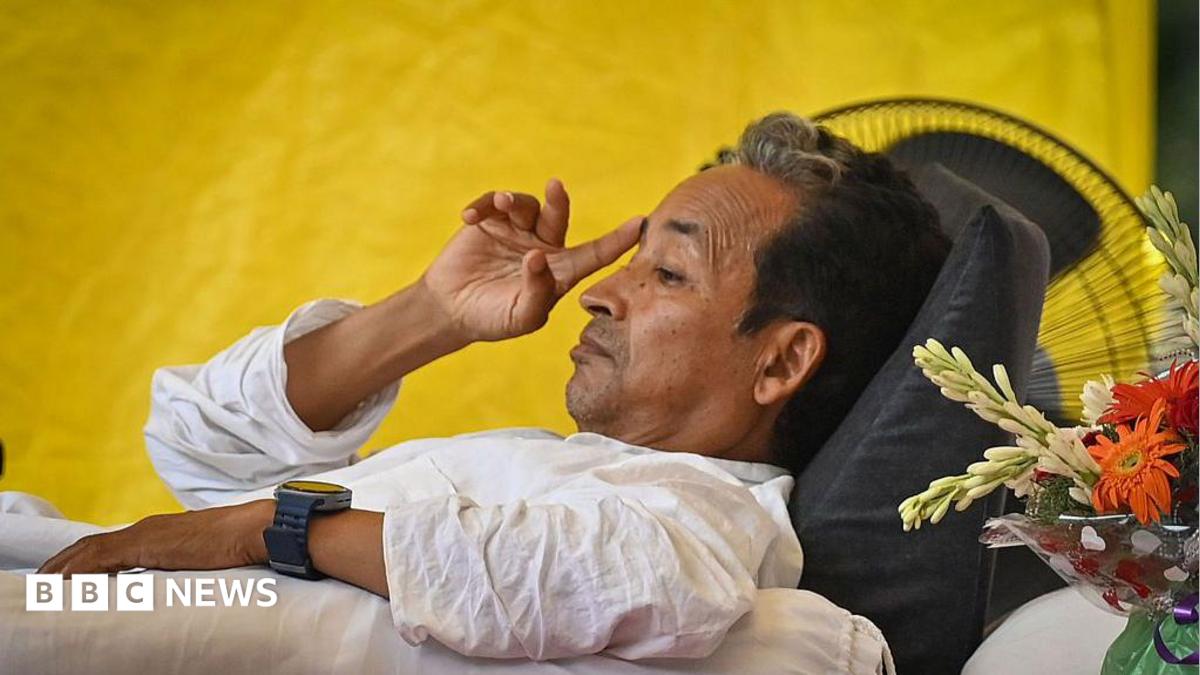
Now, with figures such as Sonam Wangchuk drawing attention through similar action, the question is whether hunger strikes still carry the same force in a more crowded and fast-moving political environment. Even so, their enduring appeal suggests that in India, the politics of personal sacrifice still has the power to stir emotion, shape narratives and challenge those in power.