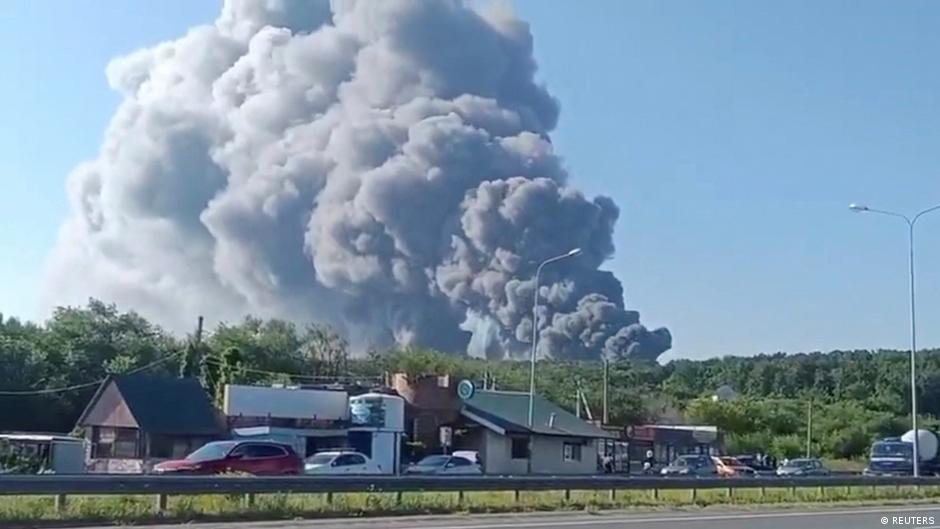
Massive wildfires in France and Spain are intensifying fears that extreme fire seasons are becoming a recurring part of life in Europe. In France, fires in Gironde have burned about 420 square kilometres and forced around 220,000 people to evacuate, showing how quickly blazes can overwhelm communities during periods of severe heat and dryness.
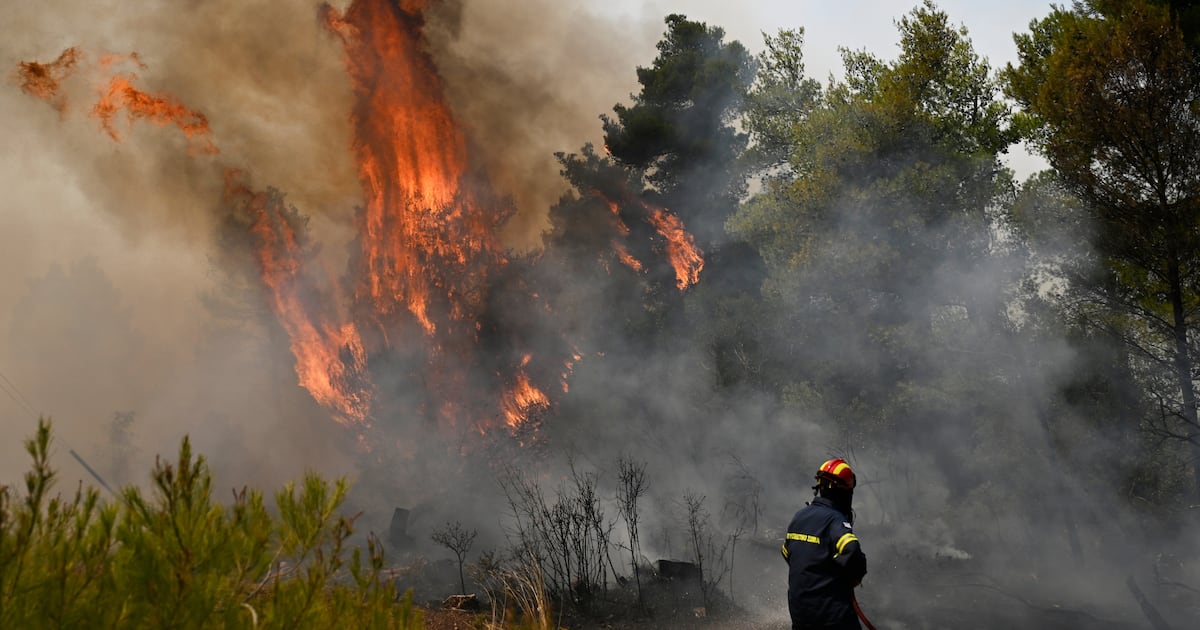
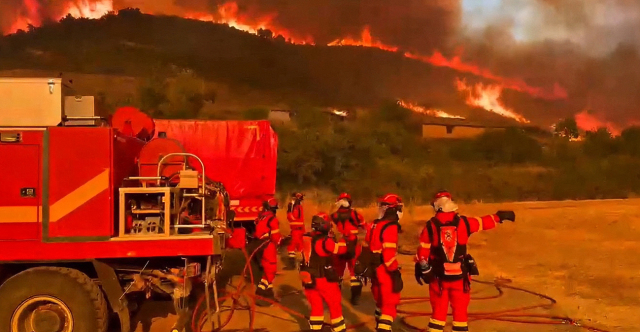
Near Cap Ferret, west of Bordeaux, firefighters have been working in heavy smoke and difficult forest conditions as flames move through undergrowth. The scene underlines how dangerous these fires become when hot weather, dry vegetation and wind combine, allowing flames to spread across large wooded areas.
Spain’s experience has added to concerns about the role of climate change. According to the report, the country’s fires were found to be about 20 times more likely because of climate change, linking extreme heatwaves more directly to destructive fire conditions. That broader trend is now pushing wildfire risk farther north, with cities such as Paris and London increasingly mentioned in discussions about future danger zones.
The fires in France and Spain suggest that Europe may need to treat major wildfires as a long-term challenge rather than an occasional emergency. The main lesson is that hotter summers, drier landscapes and repeated heatwaves are changing the region’s fire map, requiring stronger prevention, faster response and better preparation for wider areas at risk.