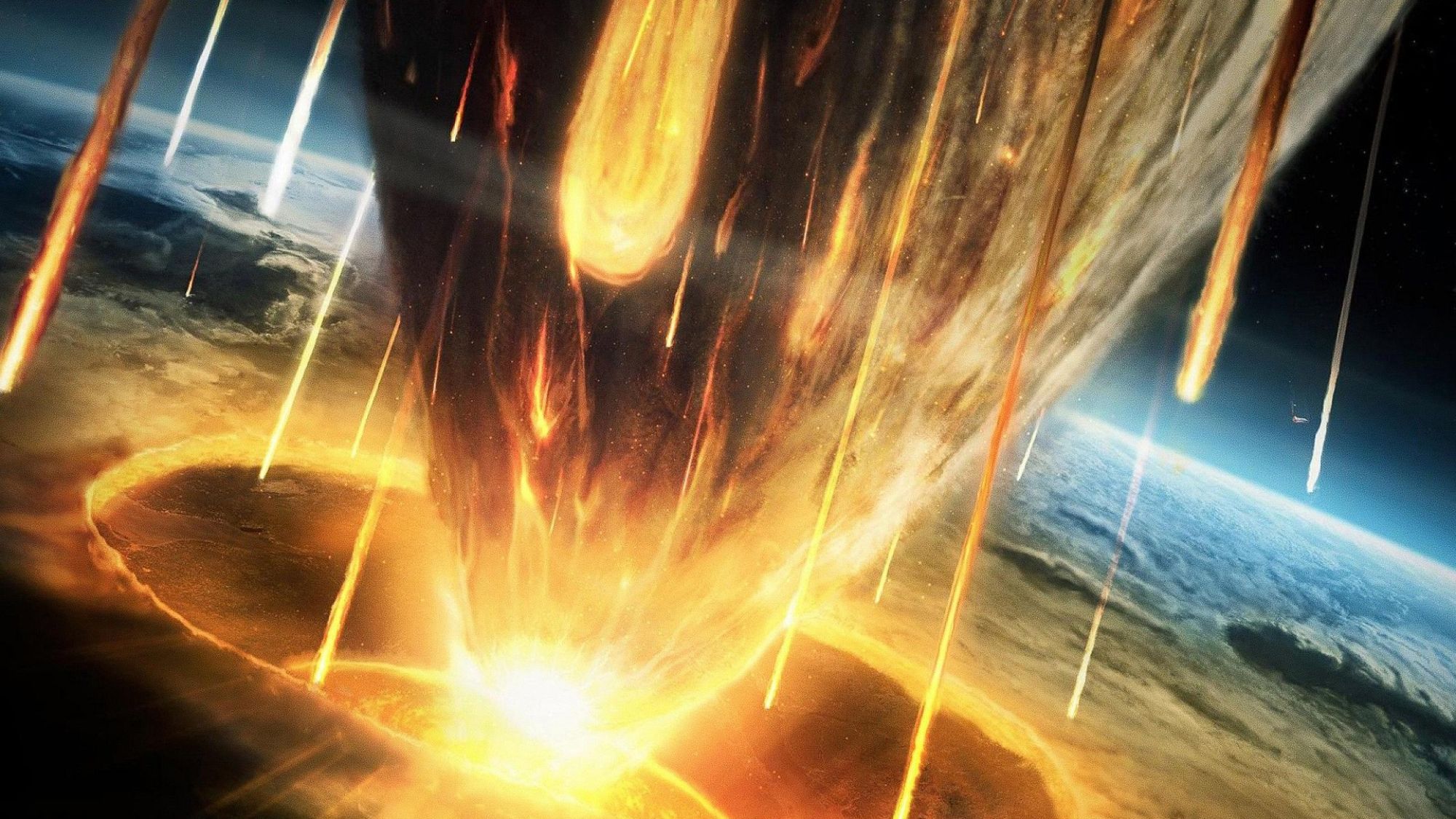
New research suggests the asteroid linked to the dinosaurs’ extinction may have unleashed a far more extreme heat event than previously understood. The Chicxulub impact appears to have produced a worldwide pulse of heat strong enough to ignite broad firestorms, with temperatures described as far beyond the level humans can survive.
A key part of the idea is the huge amount of fine dust thrown into the atmosphere after the impact. According to the report, that material may have intensified the heating effect, helping spread lethal temperatures around the planet in the hours following the collision.
If that scenario is correct, the aftermath would have been catastrophic almost immediately. Widespread fires could have broken out across large areas, while animals left exposed on the surface may have died quickly from the intense heat before longer-term climate effects took hold.
The findings add another layer to scientists’ understanding of how the Chicxulub asteroid reshaped life on Earth. Instead of a single destructive moment, the impact may have triggered a chain of rapid global effects, with extreme heat and fire playing a major role in the mass die-off.