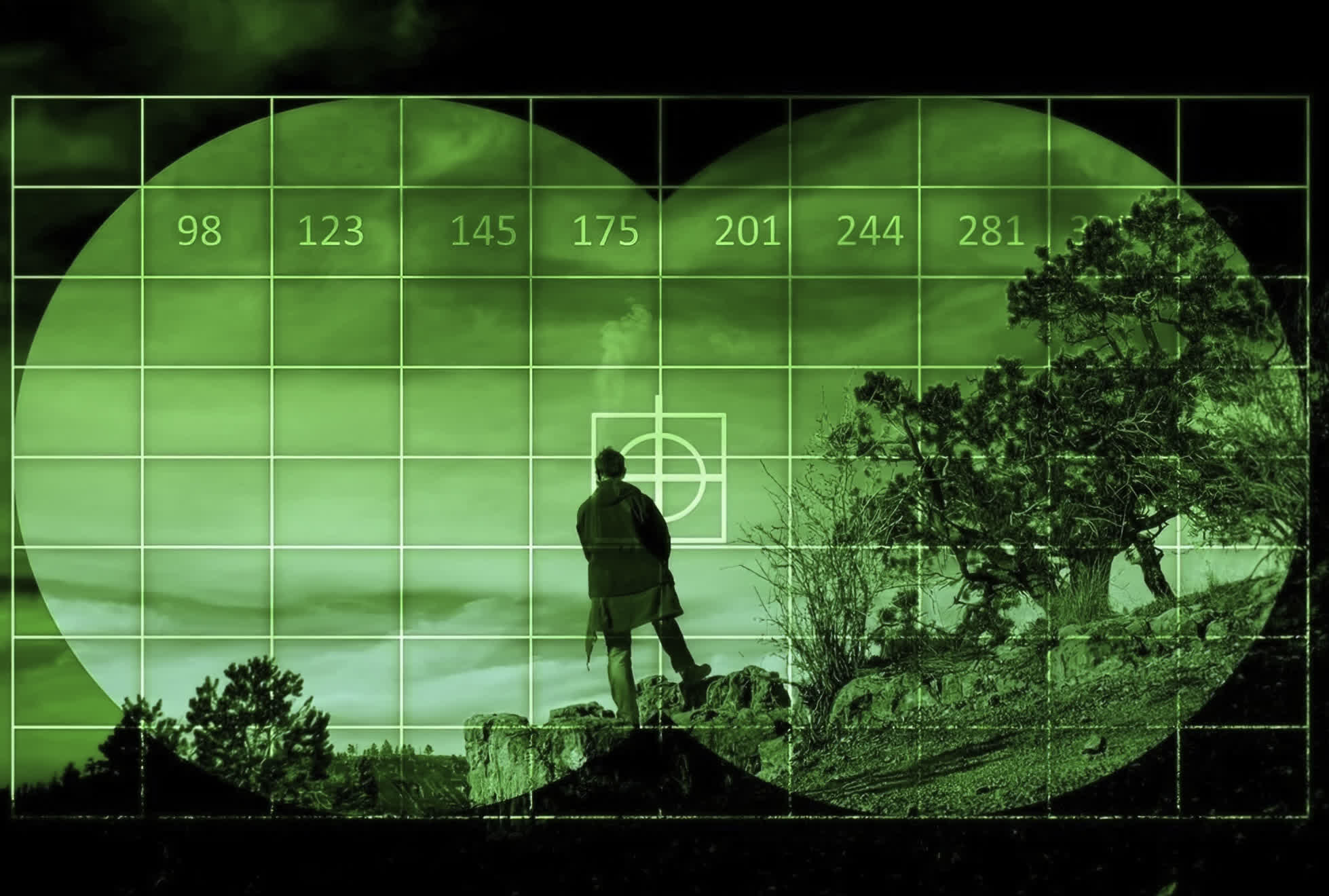
Researchers have unveiled a prototype night-vision device that can turn infrared light into full-color images, pointing to a new direction for seeing in the dark. The work moves beyond the familiar green-tinted view associated with conventional night-vision systems.
Traditional infrared imaging typically detects a wide span of wavelengths, but it does not keep much of the fine wavelength information that would be needed to reproduce realistic color. That limitation is a major reason standard night-vision output is usually monochrome rather than a scene that looks closer to natural vision.
The new prototype takes a different approach by converting infrared input into color imagery instead of simply displaying brightness differences. In practical terms, that could make it easier to distinguish objects and scene details in low-light conditions, since color can carry more visual information than a single-tone image.
The device is still at the prototype stage, so it represents an early demonstration rather than a ready-made replacement for existing gear. Even so, the advance suggests that future night-vision technology may not be limited to the classic green display and could eventually offer a more detailed, intuitive view after dark.