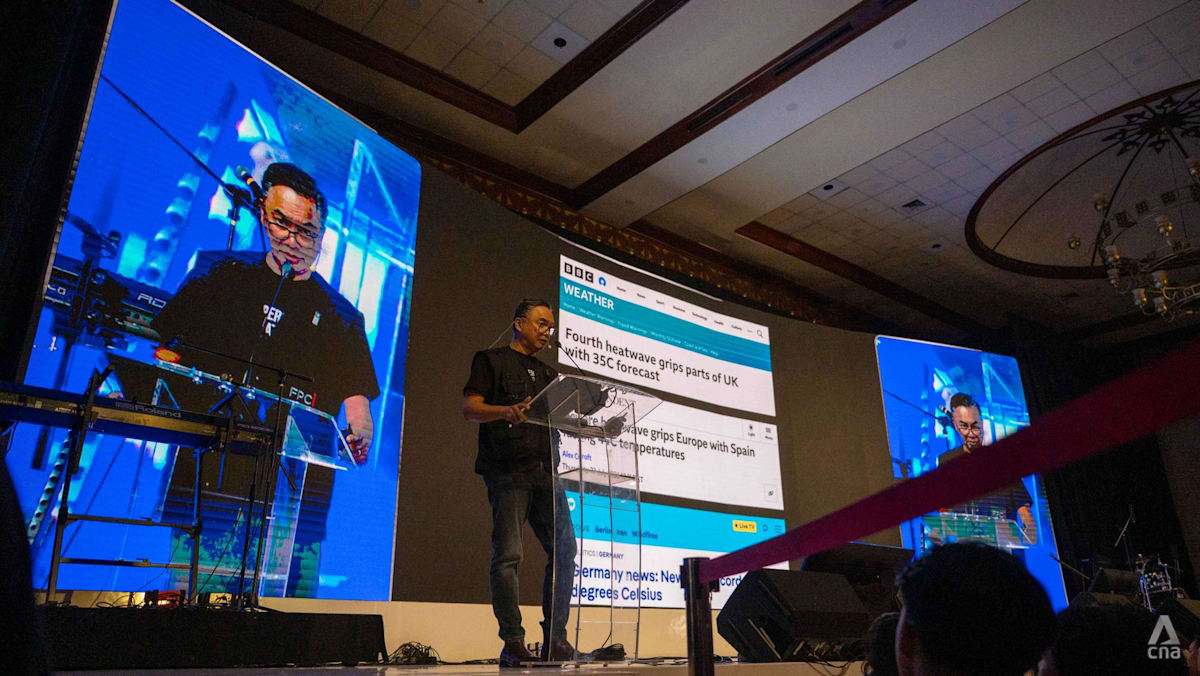
Indonesia has been urged to take a more active place in global climate diplomacy as international tensions and economic strain threaten to slow the shift to cleaner energy. The call was made at the opening of the Indonesia Net-Zero Summit (INZS) 2026 in Jakarta, where speakers argued that climate action must remain central even as governments face competing crises.
Dino Patti Djalal, chairman and founder of the Foreign Policy Community of Indonesia (FPCI), said climate change is increasingly being treated as a blind spot in wider global affairs. His remarks highlighted concern that wars, trade pressures and other geopolitical disputes are pushing climate cooperation down the list of priorities.
Against that backdrop, Indonesia was encouraged to use the moment to strengthen its voice internationally. As a major developing economy and an influential country in Southeast Asia, Indonesia is seen as having room to shape discussions on emissions cuts, energy transition and broader climate cooperation.
The message from the Jakarta summit was that climate diplomacy cannot be separated from foreign policy and economic planning. Supporters of a bigger Indonesian role say the country has an opportunity to help keep climate commitments on the global agenda while the world navigates mounting political and financial uncertainty.