Maritime chokepoints such as the Strait of Hormuz and the Bab el-Mandeb are again emerging as central pressure points in global politics. The argument is that when these narrow sea lanes are disrupted, threatened or strategically leveraged, the effects travel far beyond the region and quickly hit trade, energy movement and broader geopolitical stability.
The latest concern comes as a wider regional conflict linked in the snippet to the US-Israeli military campaign against Iran in February has once more pulled Yemen into proxy competition. In that setting, the Bab el-Mandeb is not just a map point but a strategic gateway whose insecurity can unsettle shipping routes and raise the cost of moving goods by sea.
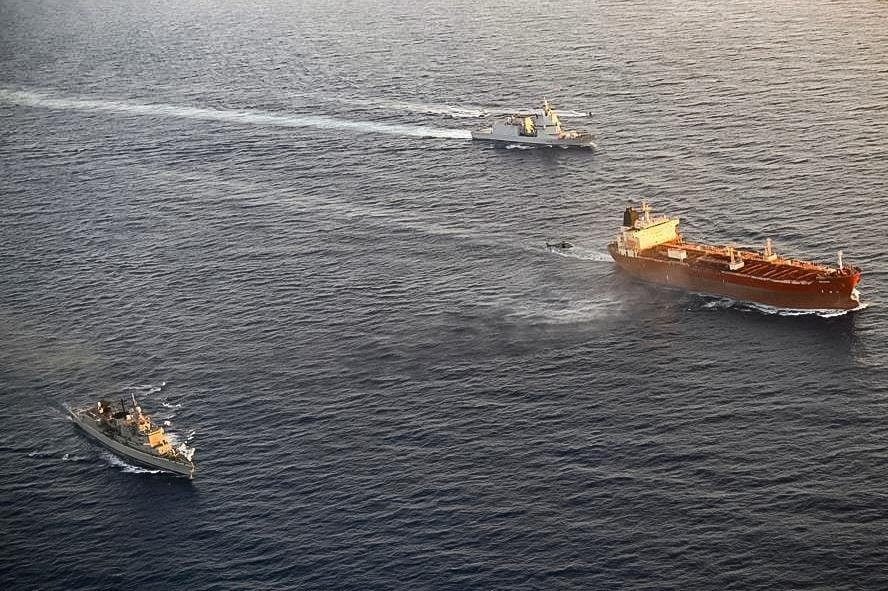
Taken together with earlier worries around the Strait of Hormuz, the trend suggests a larger shift in the world order. The description points to the decline of an efficiency-first model of globalization and the rise of a system built more around resilience, redundancy and the protection of critical maritime routes. In other words, secure sea access is becoming as important as low-cost logistics.
For India, the conclusion is that naval power will matter more in this new environment. If major trading economies must prepare for repeated stress around key waterways, maritime readiness, route security and strategic depth become essential parts of national policy rather than secondary concerns.