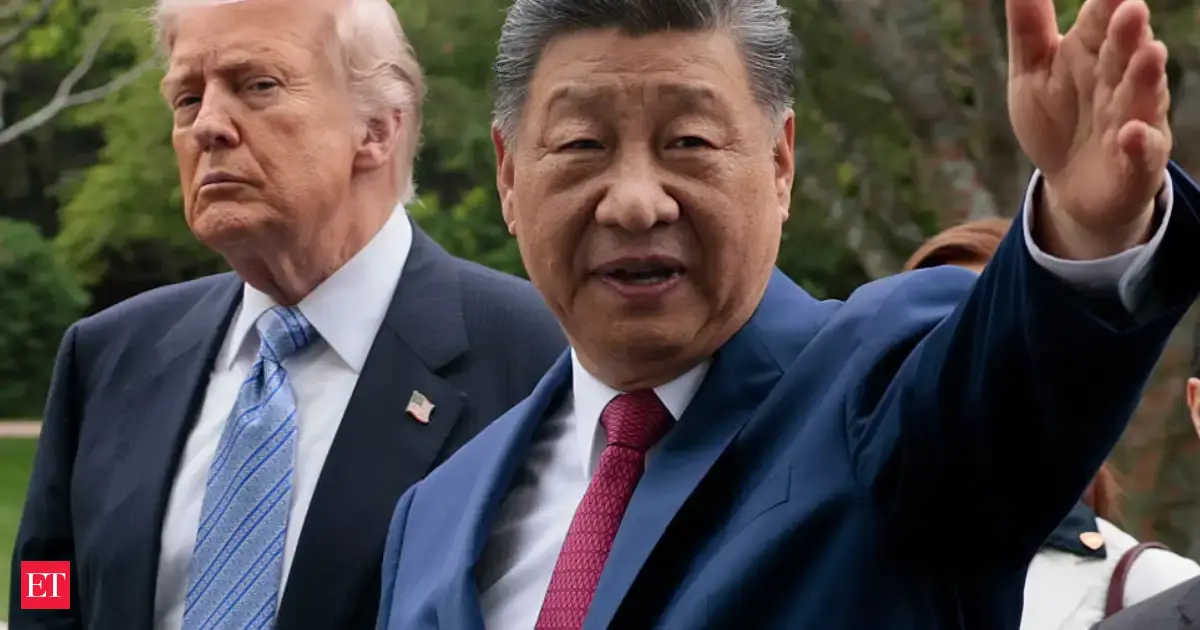
President Donald Trump's approach to foreign policy is driving a broader rethink of global relationships, as governments weigh how dependable the United States remains as a security and economic partner. The sense of uncertainty is not confined to one region, but is being felt across Europe, Asia, the Middle East and Latin America.
According to the description of the story, allies are increasingly questioning whether Washington will remain steady in its commitments. That has pushed countries to review old assumptions, reconsider partnerships and look more carefully at how much they can rely on the US in moments of tension or crisis.
At the same time, strategic rivals are seen as benefiting from the confusion. When American policy appears less predictable, competing powers can test openings, strengthen their own ties and present themselves as alternative partners in trade, diplomacy or security.
The overall picture is of a world adjusting to a more unsettled US role. Rather than treating American leadership as a fixed point, many governments are now recalibrating their options, balancing risks and preparing for a foreign policy landscape shaped by uncertainty around Trump’s decisions.