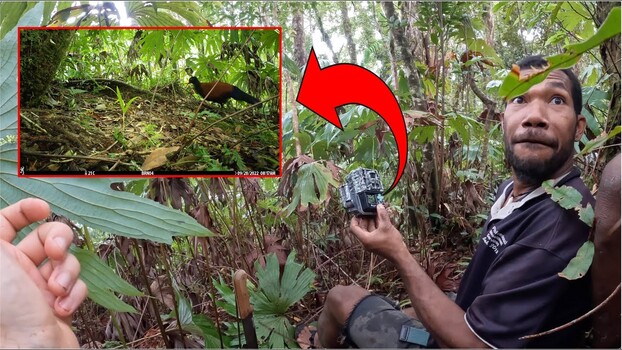
A black-naped pheasant-pigeon has been photographed on Fergusson Island in Papua New Guinea, producing the first confirmed images of the species since 1882. The rare bird, a ground-dwelling pigeon known locally as Auwo, was captured by a motion-activated camera after more than a century without documented confirmation.
The rediscovery is notable because the species had effectively vanished from the scientific record for around 140 years. According to the available details, the camera trap recorded the bird only two days before the expedition was due to end, underscoring how close the search came to finishing without proof.
Researchers were looking for the elusive pheasant-pigeon in a remote island habitat where direct sightings can be difficult. Camera traps are often used in such searches because they can monitor shy, forest-dwelling wildlife without disturbing them, and in this case the technology provided the evidence scientists had been seeking.
The confirmed photographs place renewed attention on Fergusson Island and on the conservation importance of Papua New Guinea’s unique birdlife. For scientists and bird enthusiasts, the black-naped pheasant-pigeon’s reappearance is a rare example of a species returning to view after being absent from science for generations.





