Lebanese residents who fled during the Israeli invasion are returning to southern villages to see what remains of their homes and neighborhoods. Their visits are offering a stark picture of the damage and the uncertainty many families now face about whether, and when, they can come back for good.
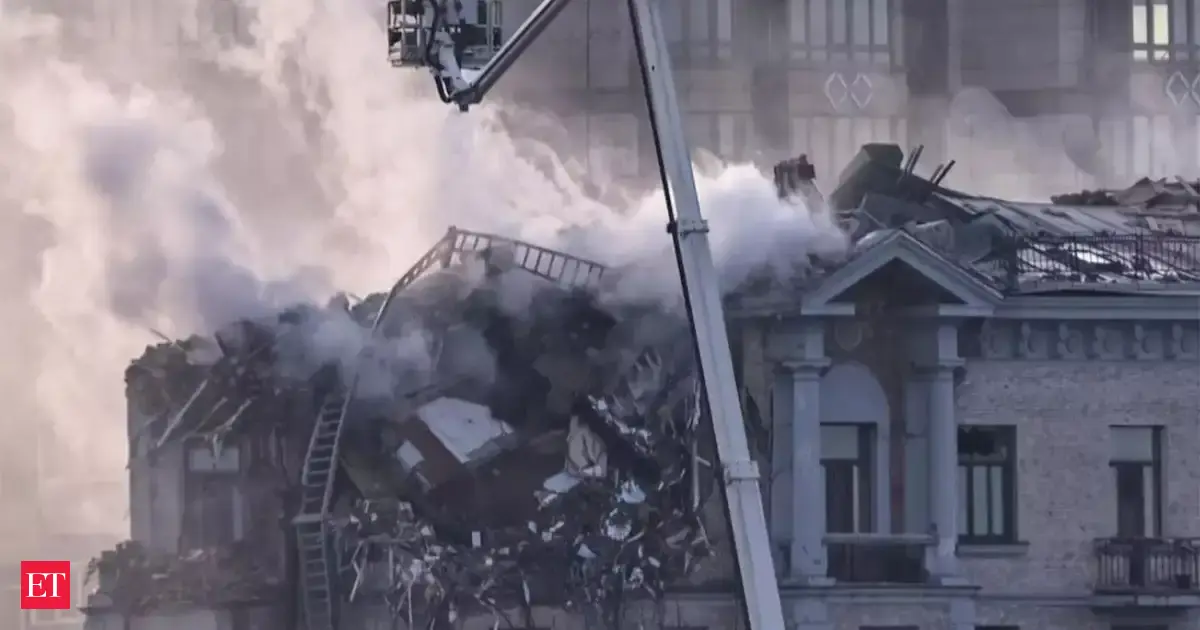
Coverage of the returns points to severe destruction in parts of south Lebanon, with some communities left badly scarred. Zawtar al-Gharbieh is being cited as one example of the scale of the devastation, underscoring how much rebuilding may be required before normal life can resume.
At the same time, attention is turning to a proposed pilot zone plan in southern Lebanon. The idea is being presented as an early test of a broader approach backed by the United States, but initial reports suggest the effort is already running into difficulties on the ground.
Taken together, the return visits and the debate over pilot zones highlight two sides of the same crisis: the personal toll on displaced families and the practical challenge of creating conditions for recovery. For many people in southern Lebanon, seeing what is left is only the first step in a much longer process.