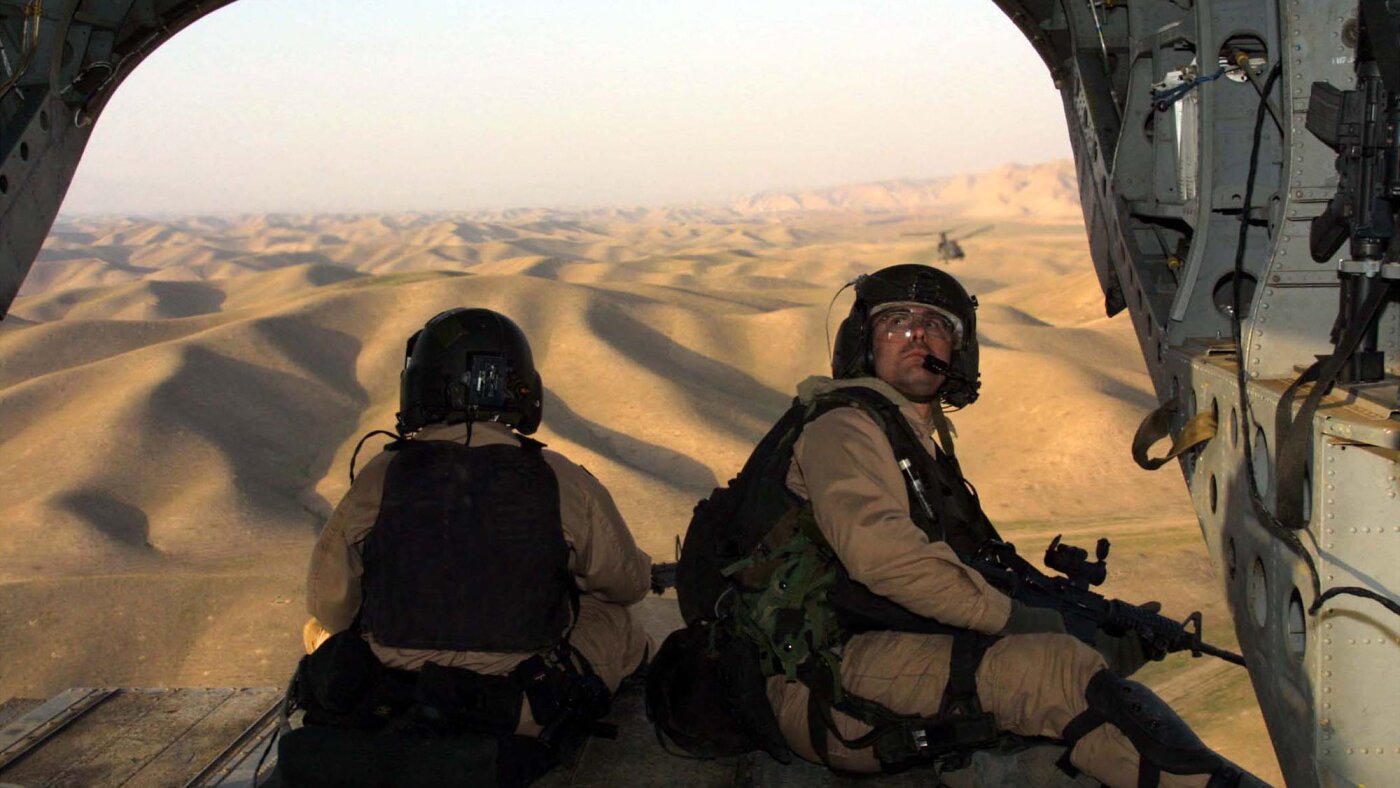
The United States has spent more than two decades involved in major conflicts in the same part of the world, moving from Afghanistan to Iraq and now Iran. In each case, presidents presented military action as something that could be swift, forceful and conclusive. Yet those campaigns turned out to be far more difficult than early public promises suggested.
The central problem highlighted in this debate is the gap between battlefield strength and political success. American leaders have often relied on overwhelming military power, but that has not guaranteed the broader outcomes they said they wanted at the start. Winning fights is one thing; turning that into lasting stability or a clear strategic result is much harder.
Afghanistan and Iraq became long examples of how wars can expand beyond their original goals. Even when the U.S. was able to defeat enemy forces or remove governments, the larger mission often became more complicated over time. The description of the current conflict with Iran suggests a similar pattern, with expectations of a short confrontation running into a more difficult reality.
The broader question is not simply whether the U.S. can dominate militarily, but whether it can achieve durable political goals in modern conflicts. The record described here suggests that presidents have repeatedly sold wars as fast and decisive, while the outcomes have been longer, costlier and less complete than advertised.