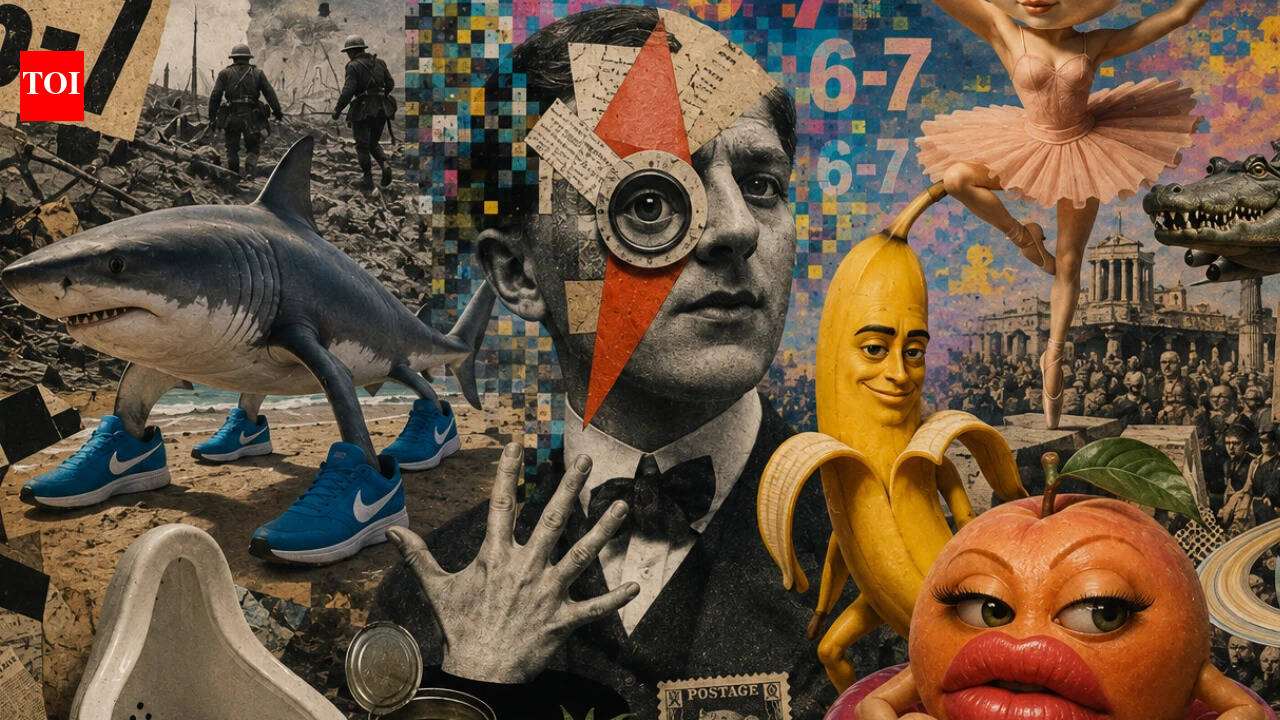
The piece explores an unexpected cultural link: the idea that internet absurdism may be the modern descendant of Dada. By connecting today’s chaotic online humor with an earlier artistic revolt, it frames digital nonsense not as random distraction, but as part of a longer tradition of reacting to a fractured world.
Dada emerged in the shadow of the First World War, when old certainties were collapsing and familiar structures no longer seemed reliable. In that setting, absurdity became a way to reject logic, order and convention. The article suggests that this same spirit can be seen in the internet’s love of surreal jokes, fragmented references and deliberately pointless content.
What makes the comparison notable is the contrast in medium. Dada used performance, collage and anti-art gestures, while internet absurdism spreads through posts, memes and fast-moving social platforms. Even so, both forms appear to share a taste for disruption, irony and a refusal to behave according to traditional cultural rules.
By placing internet absurdism beside Dada and the aftermath of the First World War, the story presents online chaos as more than a passing trend. It becomes a cultural pattern: when the world feels unstable, absurd expression can turn into a way of making sense of confusion by refusing to make sense in ordinary ways.