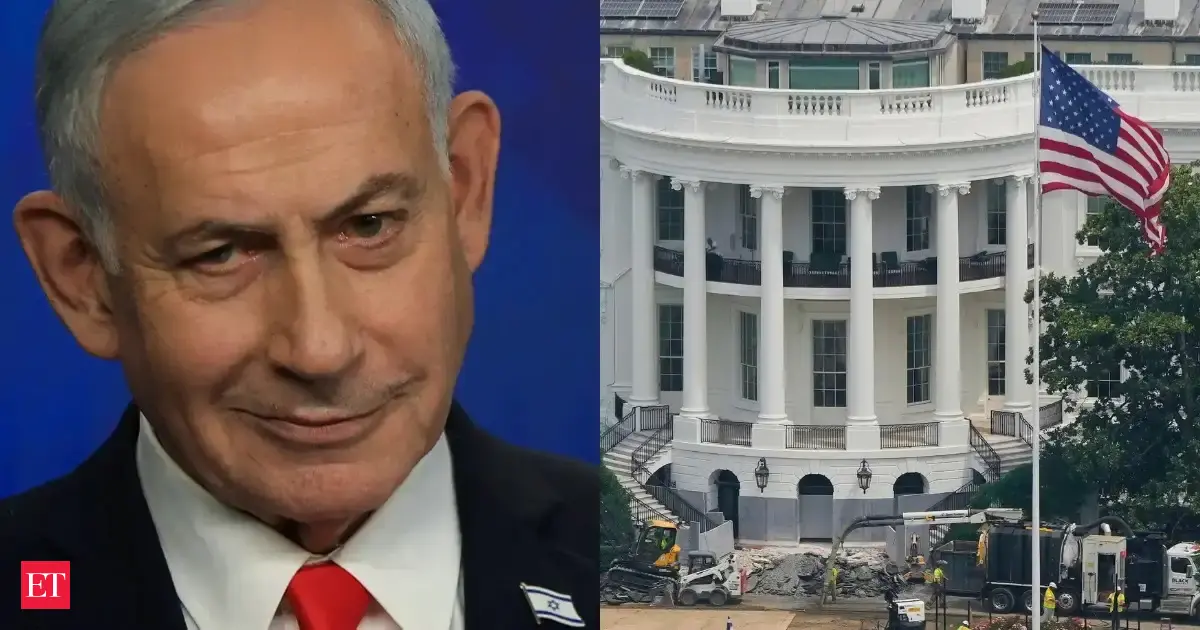
US President Donald Trump said Hamas had agreed to disarm and move forward with the next phase of the Gaza ceasefire, a statement that was welcomed by several observers. That development has added fresh attention to how the war in Gaza is being managed diplomatically and who should shape the next stage of negotiations.
Against that backdrop, the commentary argues that what it calls the "Board of Peace" has not produced a credible path toward resolving the Palestinian issue. In this view, ad hoc political initiatives and externally driven peace efforts have fallen short, even when they generate short-term optimism around ceasefire steps or new talks.
The central argument is that the Palestinian issue should be returned to the United Nations framework and grounded once again in international law. Supporters of that approach say the conflict needs a process based on recognized legal principles and multilateral institutions rather than a body they see as ineffective or detached from established norms.
The debate therefore goes beyond the immediate Gaza ceasefire. It also concerns the broader structure of diplomacy around Palestine: whether future efforts should continue through the current peace architecture or shift back to a UN-centered approach that places international law at the heart of any lasting settlement.