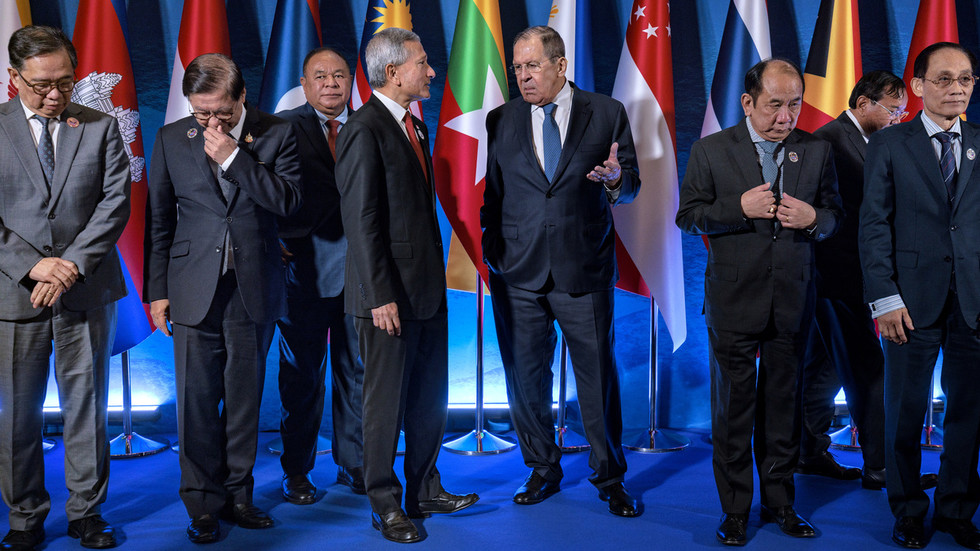
In late July, the Philippines turned Manila into a rare venue for active diplomacy by hosting the 59th ASEAN Foreign Ministers’ Meeting. At a time when conflict is spreading and many established forums are struggling to function, the gathering stood out because it brought major powers into the same diplomatic space.
The meeting reinforced ASEAN’s long-standing role as a convener. Rather than serving only as a regional bloc, ASEAN again appeared as a platform where governments with competing interests are still willing to sit down, exchange positions and keep communication open.
That matters in the current climate. As broader international institutions face deeper polarization, ASEAN-centered talks in Manila offered a reminder that dialogue has not disappeared entirely. The value of the forum was not just in symbolism, but in the fact that it remained usable when other channels looked weaker or more divided.
For the Philippines, chairing the meeting highlighted its ability to host a diplomatic process that larger powers still take seriously. More broadly, the Manila talks suggested that Southeast Asia, through ASEAN, remains one of the few places where serious state-to-state diplomacy can still happen in a meaningful way.