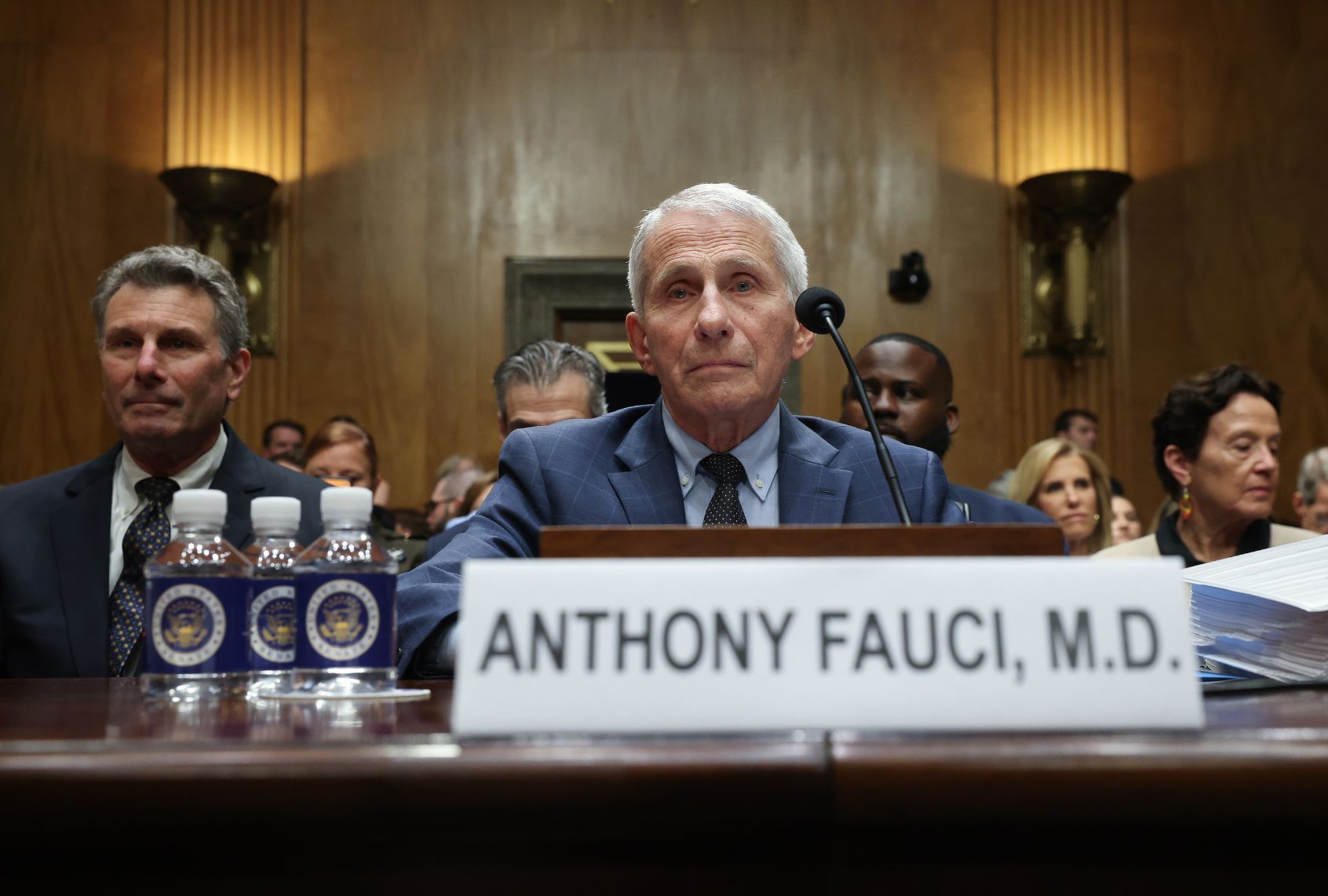
Dr. Anthony Fauci declined to answer questions more than 100 times during a Senate hearing on July 29, 2026, invoking his Fifth Amendment rights as a Republican-led committee examined the origins of COVID-19. The appearance quickly became a major political moment, with the focus extending beyond Fauci himself to the larger fight over how the pandemic is discussed in Washington.
The hearing underscored how arguments once treated as fringe or speculative can move into the center of official political debate. In this case, a session framed around COVID origins also served as a stage for broader partisan conflict, showing how conspiracy-driven narratives can gain new force when they are taken up by elected officials and formal institutions.
Fauci's repeated refusal to respond added to the spectacle and sharpened attention on the hearing. Rather than settling longstanding disputes, the exchange appeared to deepen the sense that pandemic-era controversies remain powerful political weapons, especially when lawmakers use high-profile proceedings to revisit them.
The episode points to a broader shift in American politics, where institutional hearings can amplify contested claims and turn them into enduring campaign and culture-war material. Fauci's testimony, or lack of it, became part of that pattern, illustrating how COVID-era suspicion continues to shape political strategy years after the worst of the public health crisis.