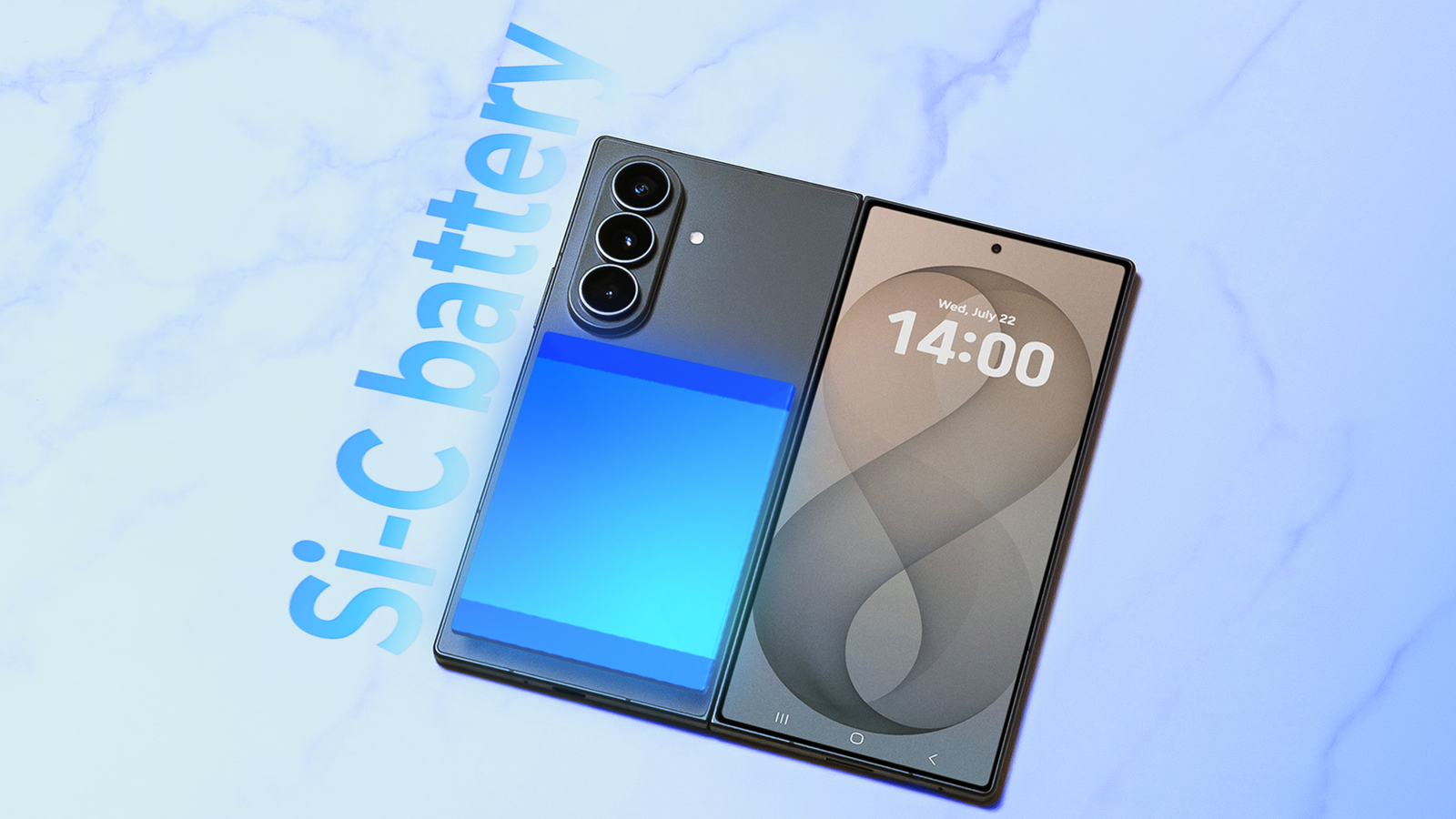
Samsung’s foldable strategy is facing new pressure as rivals move faster on battery technology. The discussion around Samsung foldables Si-C batteries has grown after reports suggested the company recognizes the need for silicon-carbon cells, a chemistry that can deliver more capacity in tight spaces.
That matters most for devices like the Galaxy Z Fold 8, where internal room is limited and battery life remains one of the biggest trade-offs. The article argues that the phone’s battery-related improvement is important, but also temporary by nature because every battery wears down over time.
The comparison with Chinese brands makes the gap more visible. In the same month that Samsung was in the spotlight, Xiaomi’s Redmi Note 17 Pro reportedly arrived with a very large 9,000mAh battery and a marketing message centered on a five-year battery guarantee. That kind of promise shifts attention away from raw capacity alone and toward how long a phone can realistically stay reliable.
For Samsung, the bigger question is no longer just whether foldables need newer battery chemistry. It is whether the company will match those hardware gains with a clear commitment on long-term battery health. Until that happens, even a meaningful Galaxy Z Fold 8 battery upgrade may feel like progress with a built-in expiry date.