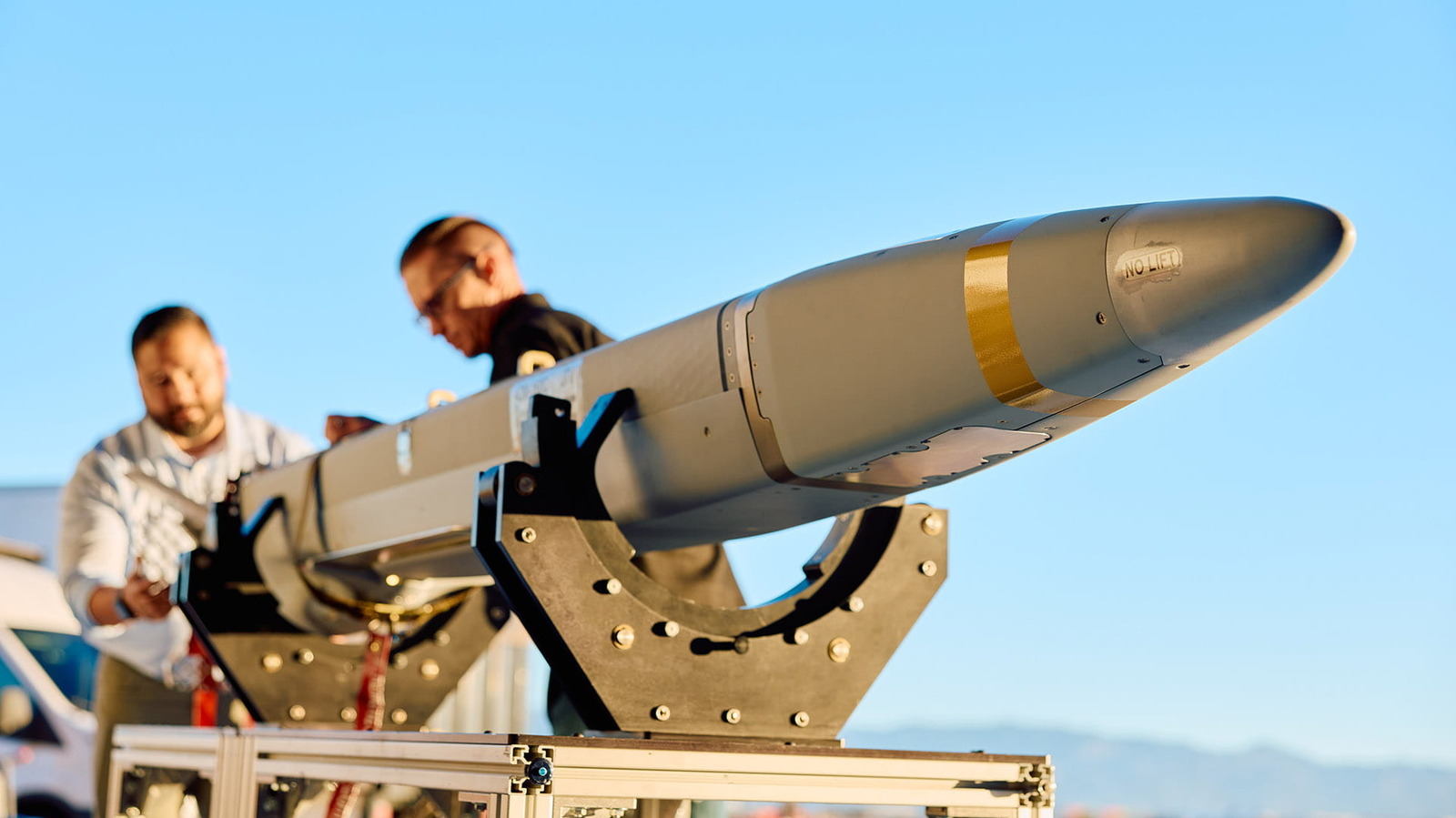
A U.S. military decoy system designed to fool hostile radar networks is gaining renewed attention as air warfare becomes more contested. The idea is not to add more real aircraft to the fight, but to make defenders believe they are tracking fighter jets that are not actually there.
That approach matters because modern air defense systems can follow multiple targets at once, reducing the value of older distraction tactics. A radar deception tool can complicate that picture by feeding operators a false view of the airspace, potentially forcing them to split attention, reposition defenses, or react to threats that do not exist.
Interest in this kind of technology is rising as the U.S. campaign against Iran continues and as the war in Ukraine enters another year. In both settings, militaries are looking for ways to survive against dense air defense networks, making electronic warfare and radar confusion more important alongside traditional aircraft and missiles.
The broader significance is that air combat is no longer only about speed, stealth, or firepower. It is also about controlling what the enemy sees and believes. Systems that can create phantom aircraft on radar fit into that shift, showing how deception remains a key part of modern military technology.