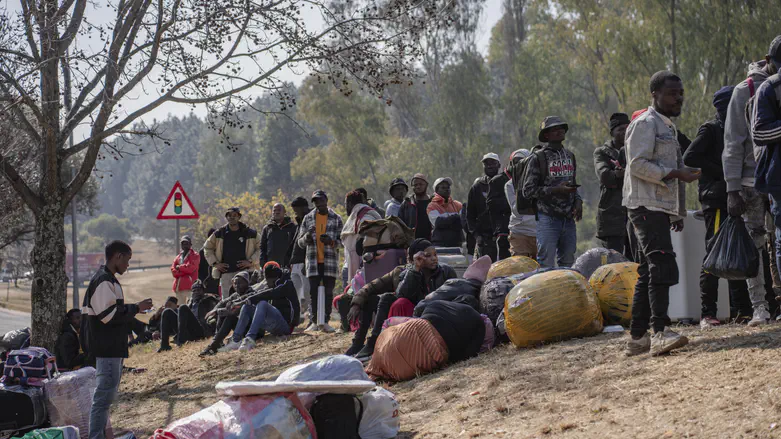
A commentary tied to the Ceuta border crisis argues that the movement of Moroccan boys into the Spanish enclave should be read as more than a migration incident. Based on the available description and snippet, the piece presents the episode as a calculated political signal in the tense relationship between Morocco and Spain.
The article’s central claim appears to be that the operation was meant to create pressure at the border, yet it ultimately showed a Moroccan leader acting with greater control and composure than Israel and figures linked to the Trump era had expected. In that reading, the Ceuta crossing becomes part of a broader power struggle rather than a stand-alone border event.
The headline pushes the discussion further by linking Morocco, Spain and Egypt to a larger historical argument about Zionism and Kabbalah. Although the trimmed text does not provide the full evidence behind that theme, it suggests the author is placing present-day diplomacy and border tactics inside a wider ideological and historical framework.
Taken together, the piece portrays Ceuta as a flashpoint where migration, regional rivalry and competing political narratives intersect. Instead of focusing only on the immediate border scene, it uses the incident to explore how North African and Mediterranean politics connect to older debates about influence, identity and strategy.