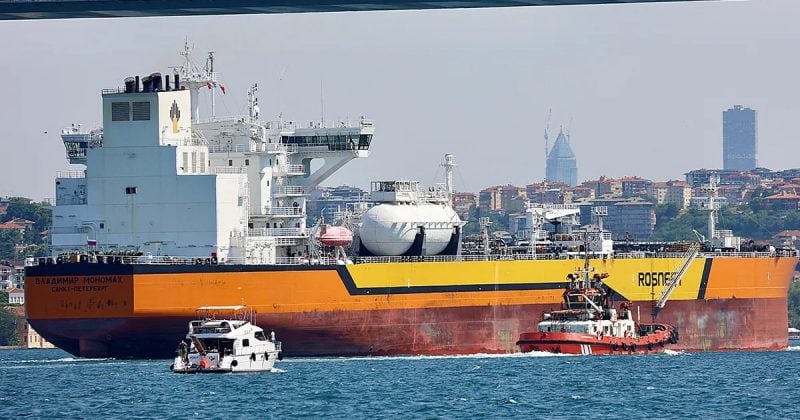
Italian authorities have brought new attention to sanctions enforcement after the navy boarded a Russian tanker in international waters near Sicily. The move, described as part of a broader multinational operation, underscores how closely European governments are now watching maritime routes linked to Russian oil trade.
The incident points to the legal and political complexity of policing sanctioned shipments at sea. Actions taken outside territorial waters can raise difficult questions about jurisdiction, evidence, and coordination among countries trying to limit the movement of cargo tied to sanctioned networks.
It also renews focus on the so-called shadow fleet, a term often used for vessels and ownership structures believed to help move Russian oil through less transparent channels. Scrutiny of those shipping practices could affect freight costs, insurance, and broader commodity flows if European enforcement becomes more aggressive.
The report suggests the fallout may extend beyond traditional energy markets. Because sanctions evasion and opaque trade networks can intersect with alternative payment routes, the case is also being watched for possible ripple effects across commodity financing and parts of the crypto market.