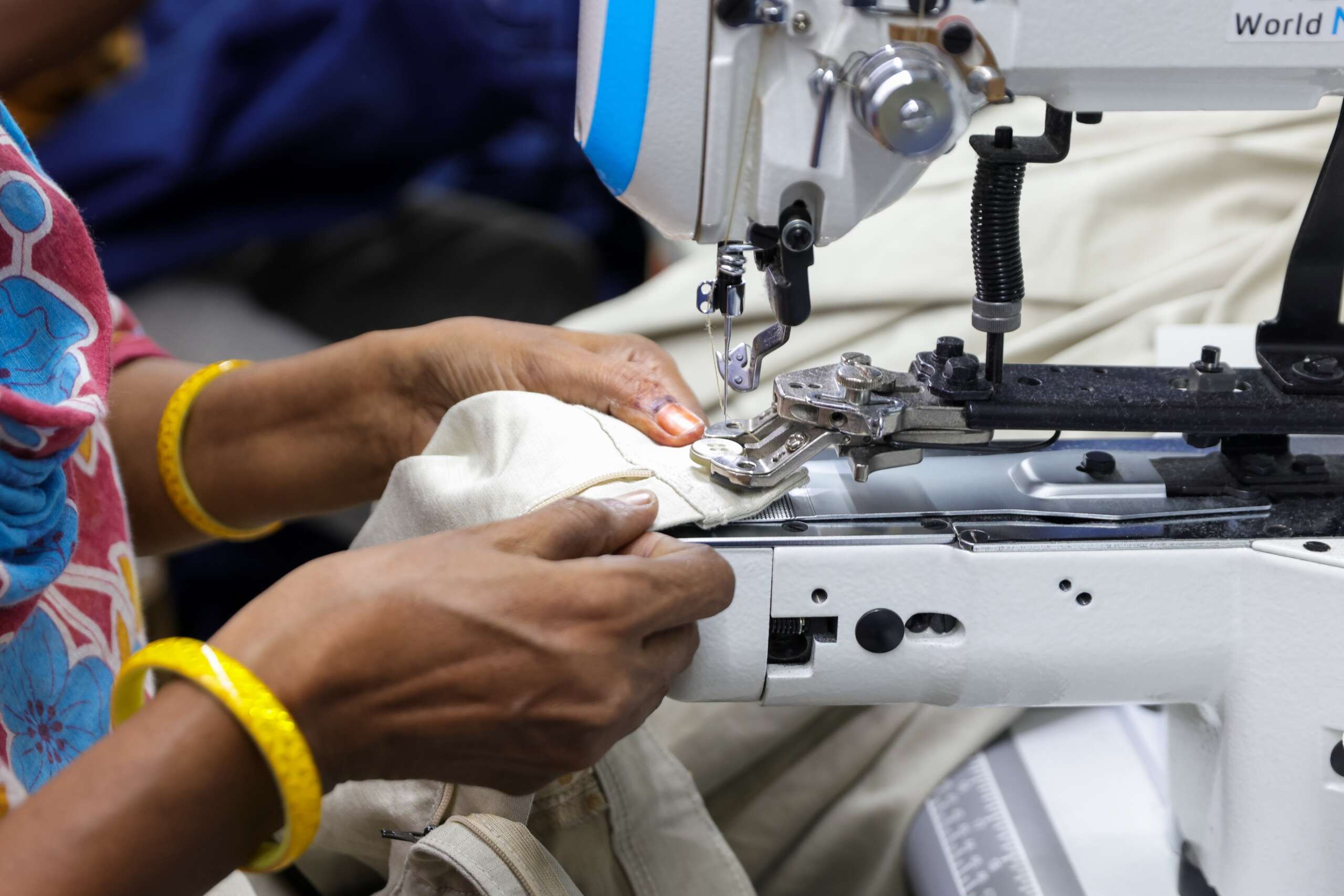
Workers in India are reportedly pushing back against attempts to use their labor, movements and know-how to help build AI-driven robotic replacements. The dispute highlights a growing tension in workplaces where automation is not just changing jobs, but also relying on workers themselves to generate the data needed to replace parts of their role.
According to the available details, one flashpoint involved tiny cameras attached to tailors' heads, with management presenting the devices as part of a client-facing process. In the broader context described by the report, workers saw such tools as part of a wider system of surveillance and data extraction tied to automation.
The resistance matters beyond one workplace. As companies adopt AI systems, wearable monitoring and other tracking technologies, workers are increasingly confronting how digital oversight can feed productivity systems, machine training and future job cuts. The case in India suggests that workers can challenge not only wages and conditions, but also the collection of data that may be used against their own long-term interests.
More broadly, the episode points to a central debate in the age of AI: who benefits when human skill is converted into machine intelligence. For labor groups and worker advocates elsewhere, the reported pushback offers a clear example of how resistance to workplace surveillance can also become resistance to automation-led displacement.