
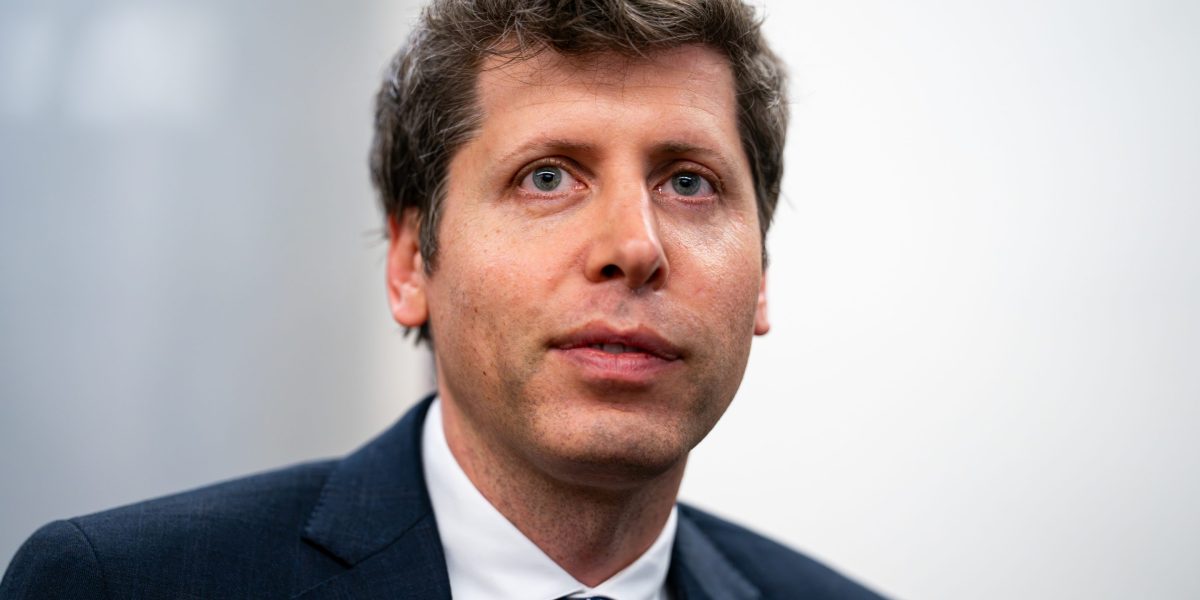
OpenAI CEO Sam Altman is facing sharp criticism after floating what he called a “cool use case” for ChatGPT: a daily AI podcast about a user’s children. The reaction on X was harsh, turning the post into a fresh flashpoint in the ongoing debate over how far generative AI should go into private family life.
The comment landed awkwardly because it came alongside wider attention on OpenAI tools that are supposed to help produce polished, shareable output. Instead of highlighting a broadly appealing example, Altman’s suggestion drew negative attention and prompted many readers to question whether this was the kind of AI use people actually want.
At the center of the backlash is the idea of using AI to turn highly personal information about children into a recurring media product. Even without full details on how such a podcast would work, the concept appears to have struck many people as intrusive, unsettling or simply out of touch with real-world concerns around privacy and boundaries.
The episode underscores a bigger challenge for AI companies as they promote new assistants and agents: technical capability does not automatically translate into a use case the public finds comfortable or useful. For OpenAI, the response to Altman’s post is another reminder that consumer reactions to AI often depend as much on trust and context as on the technology itself.


