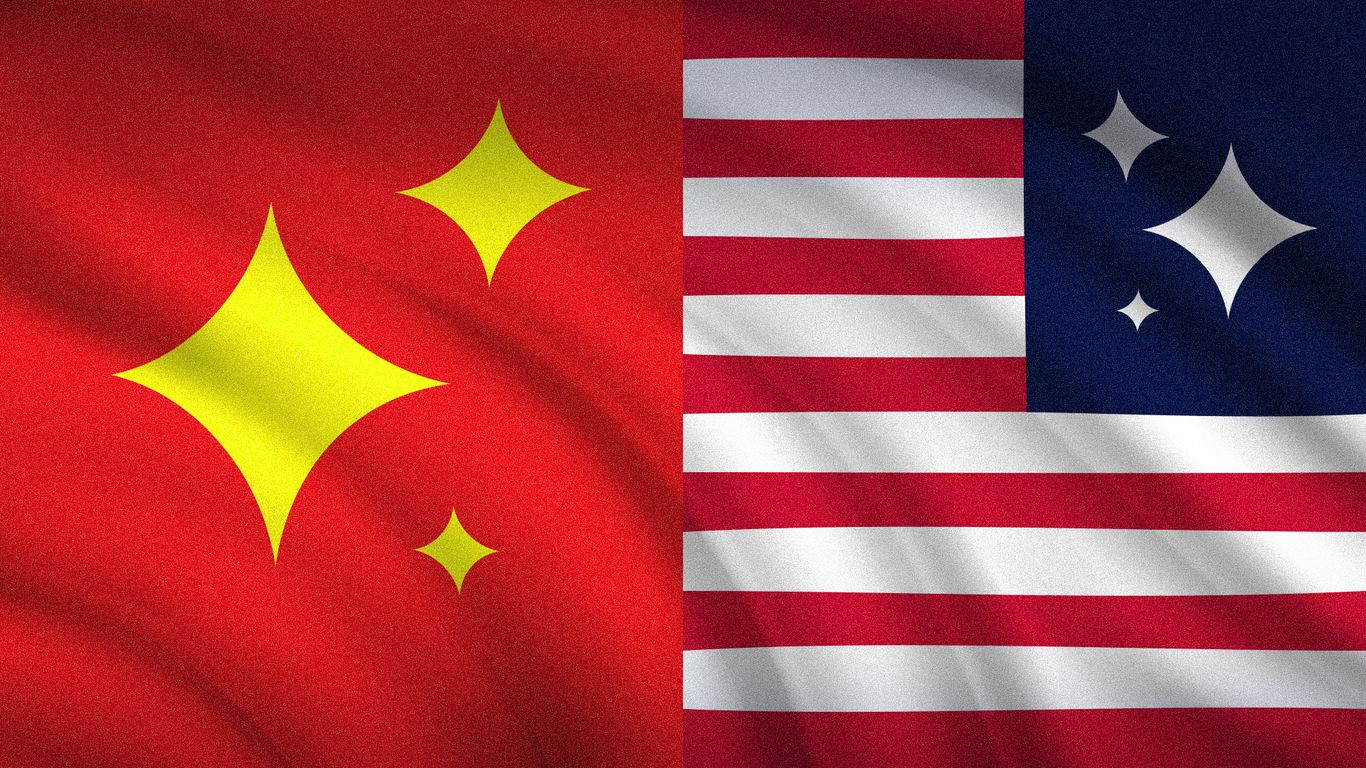
Chinese advances in artificial intelligence are drawing intense attention in both Washington and Silicon Valley. The latest spark is Kimi K3, a new AI model that has renewed concerns that China is improving quickly in a field many US leaders and tech companies see as strategically important.
The debate is not only about who builds the best chatbot or model. For many policymakers and industry figures, faster progress in Chinese AI raises bigger questions about economic competition, technological leadership, and how much of an edge the United States can maintain as AI becomes more central to business and government.
At the same time, there appears to be less agreement on the right response. The current discussion reflects a shared sense of urgency, but not a clear consensus on whether the answer should be tougher policy, more investment, closer industry coordination, or some combination of those approaches.
For Americans, the issue matters because AI is increasingly tied to jobs, innovation, and national influence. As Chinese AI gets better, the conversation in the US is shifting from whether China can catch up to how the country should respond to a more competitive global AI race.