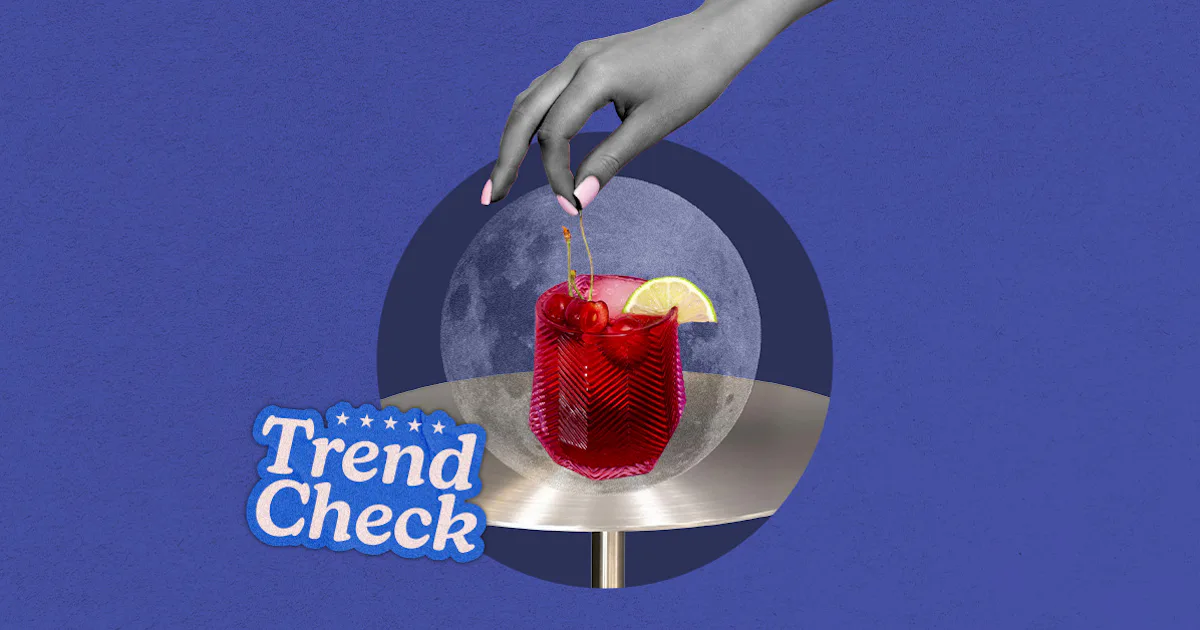
The viral “sleepy girl mocktail” is being talked about online as a possible way to ease migraines, adding another social-media wellness trend to a condition that already affects more than a billion people worldwide. For many migraine sufferers, the appeal is obvious: migraines are widely recognized as highly disabling, and people often look for simple ways to get relief.
Interest in the drink appears to be fueled by personal stories and online sharing, with some users framing it as a helpful option for migraine symptoms. That has helped push the mocktail beyond a sleep-focused trend and into broader conversations about everyday remedies for chronic pain and neurological symptoms.
Still, the bigger question is whether the sleepy girl mocktail actually works for migraines. Based on the discussion around the trend, the answer is not as straightforward as viral posts may suggest. Migraines are a complex condition, and what helps one person may not help another. A popular drink is not the same thing as a proven migraine treatment.
The trend highlights how eager people are for accessible migraine relief, but it also shows the limits of online health advice. For people dealing with frequent or severe migraines, lasting symptom management usually involves more than a single trendy beverage, even if the mocktail continues to attract attention as a possible comfort measure.