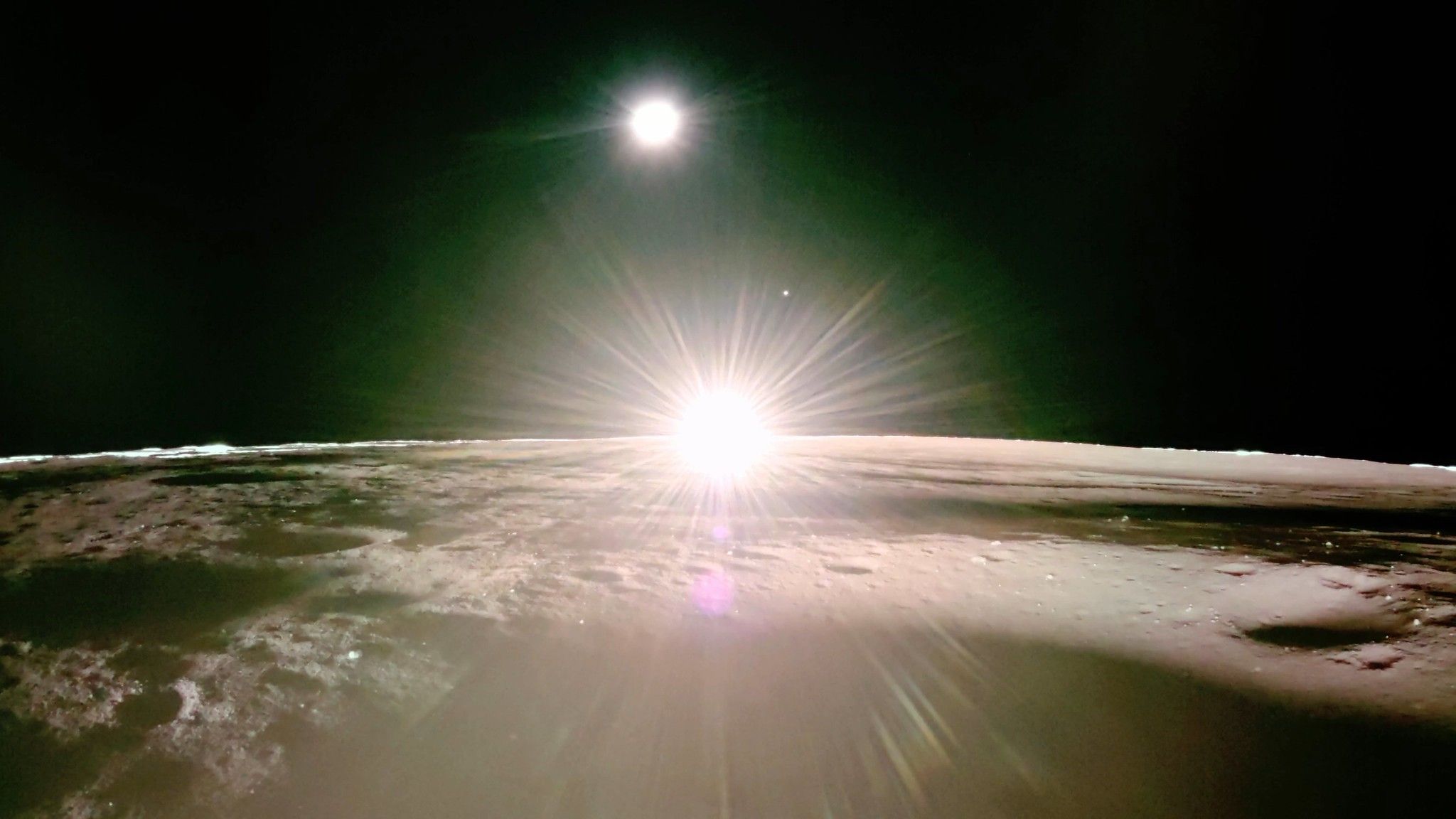
A SpaceX rocket is expected to crash into the moon this week after drifting into a path that leads to a lunar impact. The unusual event has drawn attention because the object was not launched with the goal of hitting the moon, yet its route has changed over time.
The basic reason is a combination of solar activity and gravity. Those forces can slowly alter the motion of an object in space, especially one that is no longer being actively guided. Over time, small changes can build up and leave a rocket on a collision course with the moon.
In simple terms, gravity from nearby bodies and the effects linked to solar activity can nudge an object away from its earlier track. Instead of continuing on a stable path, the rocket’s orbit shifted enough that a moon impact became the likely outcome.
The case highlights how space debris and spent hardware can keep moving for long periods after launch. Even without any planned maneuver, natural forces can reshape a rocket’s path and eventually send it toward another world.