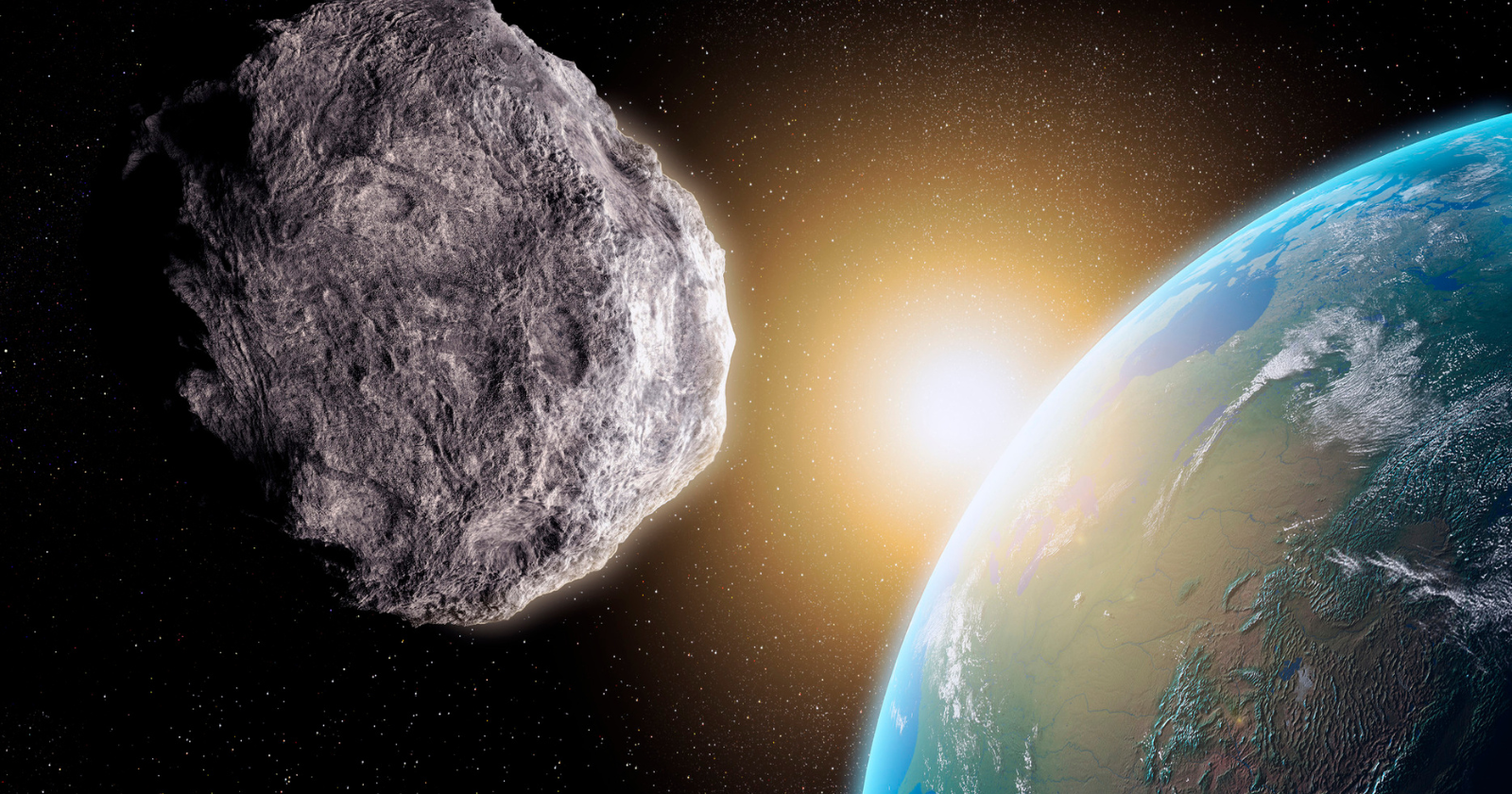
NASA’s 2022 asteroid deflection experiment marked a historic first: humans intentionally changed the orbit of a celestial object. By sending a refrigerator-sized spacecraft into a distant asteroid, the mission showed that a direct impact can alter the path of a small world in space.
The collision happened on 26 September 2022, when the spacecraft struck an asteroid about 150 meters across. Even before all the images had finished arriving, the main outcome was clear: the test was not just a dramatic impact, but a real demonstration that an asteroid’s motion can be shifted by human action.
That result matters because the mission was widely seen as a rehearsal for planetary defense. If a future asteroid were found on a dangerous course toward Earth, a similar strategy could potentially be used to nudge it away, provided it is detected early enough. The experiment offered proof that such an idea is more than science fiction.
At the same time, the mission underscored a major challenge: changing an asteroid’s path is only useful if scientists know what is out there and can track it accurately. The test showed that deflection may be possible, but it also highlighted the urgent need to find and study more near-Earth objects before a real threat appears.