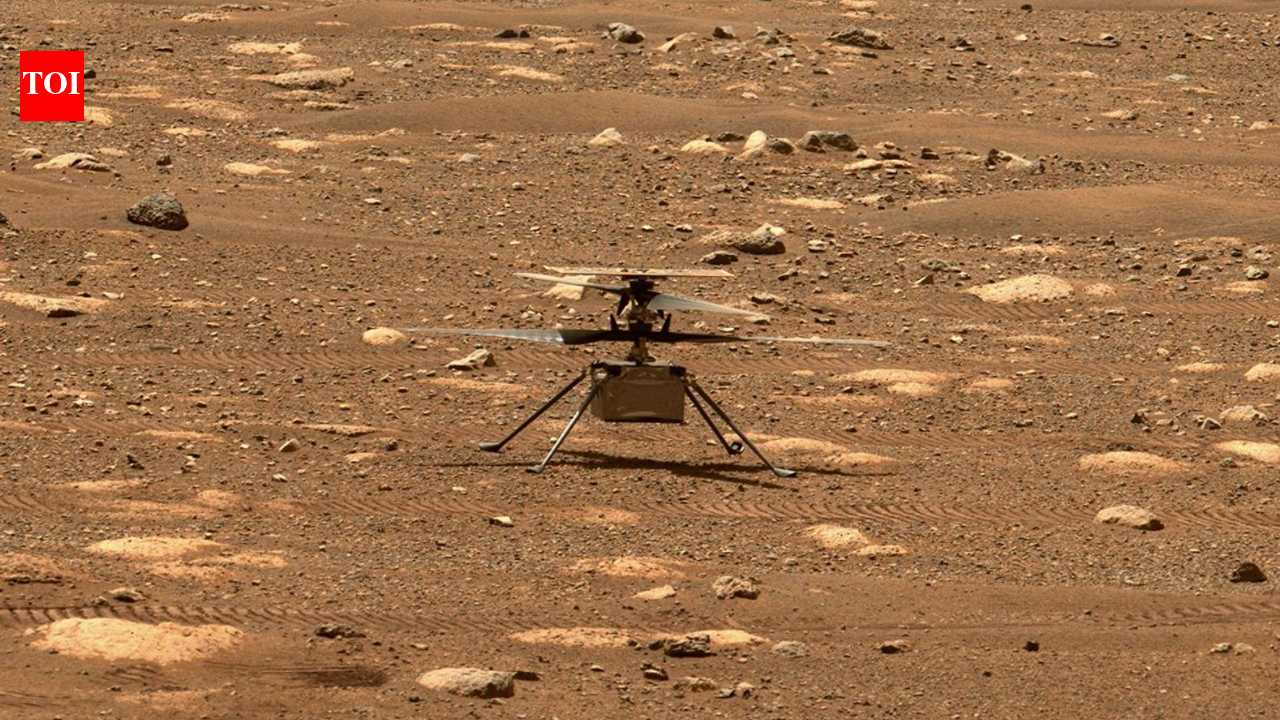
NASA's tiny helicopter for Mars was originally built to survive for about 30 days, but it kept operating and flying for nearly three years. That outcome turned the project into a standout example of space hardware lasting far beyond its expected timeline.
Flying a helicopter on Earth is already a major engineering task, but doing it on Mars is far more difficult. The planet's atmosphere is less than 1% as dense as Earth's, which means generating lift is an extraordinary challenge.
That thin atmosphere is a big reason the helicopter's performance drew so much attention. A machine designed for a short demonstration was able to keep working in one of the harshest environments explored by NASA.
The mission's extended life highlights how a small experimental vehicle can exceed expectations and broaden ideas about what is possible on Mars. What began as a short test ended up becoming a much longer and more remarkable chapter in planetary aviation.