Astronomy has undergone a dramatic shift in just three decades. About 30 years ago, scientists had no confirmed examples of planets orbiting stars beyond the Sun. Now, the number of confirmed exoplanets has climbed past 6,000, and that total continues to rise as new detections are added on a regular basis.
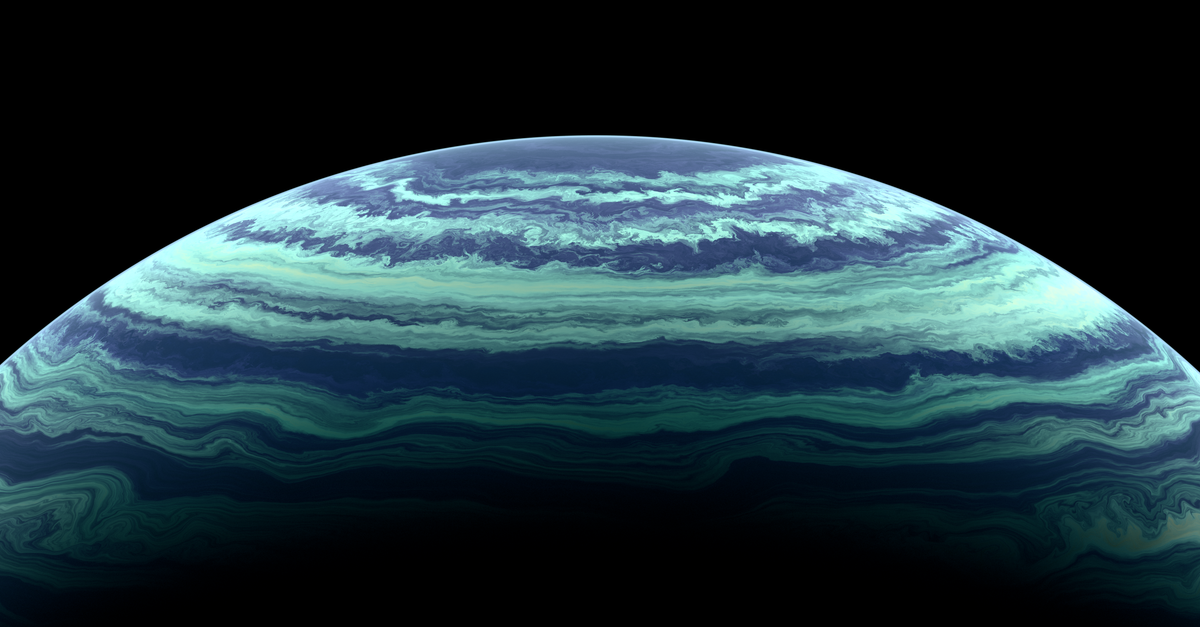
One of the biggest lessons from this growing catalog is that the galaxy appears to be filled with a kind of planet our own solar system does not have. That finding has become one of the most striking outcomes of exoplanet research, because it suggests the arrangement of planets around the Sun may not be the standard model scientists once assumed.
The result is pushing researchers to rethink how planetary systems form and evolve. If the most common worlds in the Milky Way are absent from our local neighborhood, then theories built around the solar system alone may be incomplete. The broader exoplanet census is showing that nature can build planetary systems in more ways than expected.
As discoveries continue week by week, astronomers are moving from simply counting exoplanets to trying to understand what these alien worlds are like and why they are so common elsewhere. The rapid rise from zero known planets beyond the Sun to more than 6,000 confirmed has transformed the study of planets into a much wider search for how typical, or unusual, our own system really is.