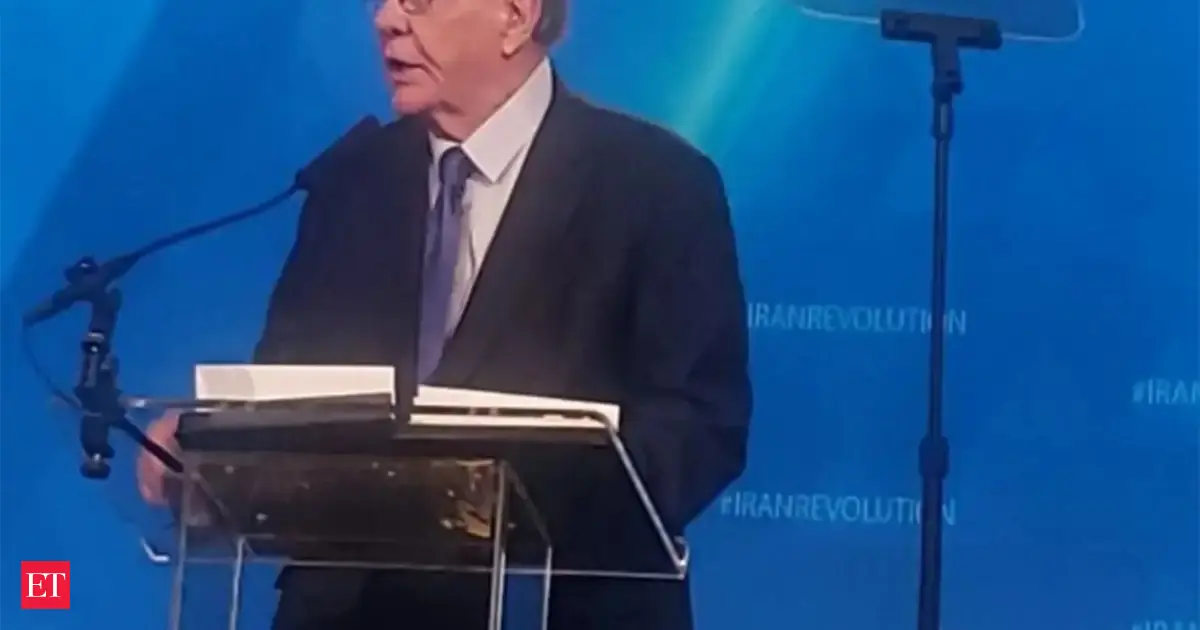
Retired US General Jack Keane has sharply criticized Pakistan and Qatar over their role in diplomacy involving Iran, arguing that both countries were not acting as neutral intermediaries. In his assessment, their positions were more favorable to Tehran than to Washington, raising concerns about how outside advice may shape US policy.
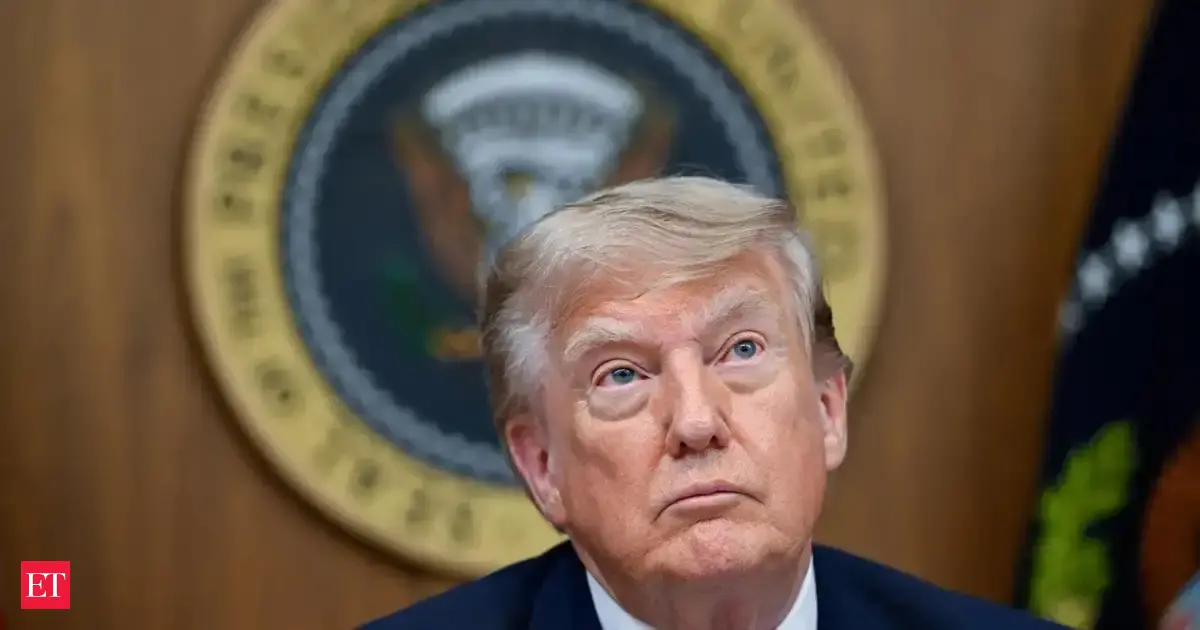
The comments came after President Donald Trump decided not to move ahead with a major planned strike on Iran and instead leave room for renewed diplomatic engagement. Keane linked that decision to the broader regional environment, suggesting that US choices were being influenced by partners whose priorities did not fully align with American interests.
Keane also pointed to Saudi Arabia as another regional player that, in his view, discouraged a stronger military response against Iran. His remarks reflect a wider debate in Washington over whether diplomacy with Tehran is being pursued from a position of strength or under pressure from countries trying to avoid escalation in the region.
The criticism highlights the tensions surrounding any future US-Iran deal, especially when regional powers are involved in back-channel talks or mediation efforts. It also underscores how divisions among US partners in the Middle East can complicate decisions on deterrence, diplomacy and military action.