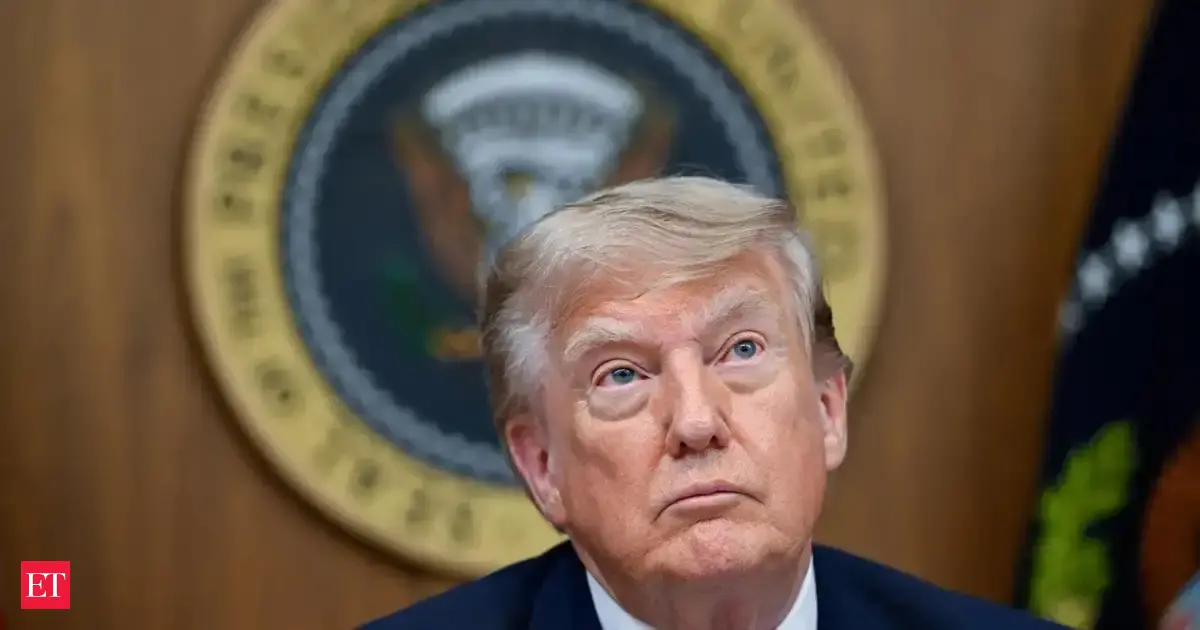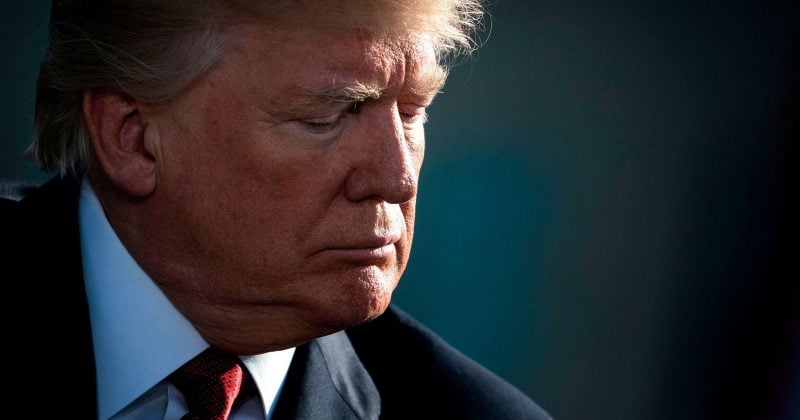
President Donald Trump said Iran had requested discussions on its nuclear program and the Strait of Hormuz, adding that Gulf states supported the idea. The claim pointed to a possible reopening of U.S.-Iran contacts, a development that could influence regional alliances and global energy sentiment.
Tehran quickly pushed back on that narrative. According to the snippet, Iran’s foreign ministry denied that any negotiations had been scheduled, highlighting the uncertainty around whether meaningful talks are actually taking shape.
Markets reacted to the mixed signals. Oil prices rose 2.4% as traders weighed the risk of renewed tension around Iran and the Strait of Hormuz, a critical route for global crude shipments. At the same time, Bitcoin stayed near $63,000, suggesting crypto markets were less reactive than energy markets to the diplomatic confusion.
If dialogue were to resume, it could affect more than just U.S.-Iran relations. Any movement on nuclear issues or maritime security in the Gulf would be closely watched across the Middle East, especially by Gulf governments and investors tracking the potential impact on regional stability and energy flows.