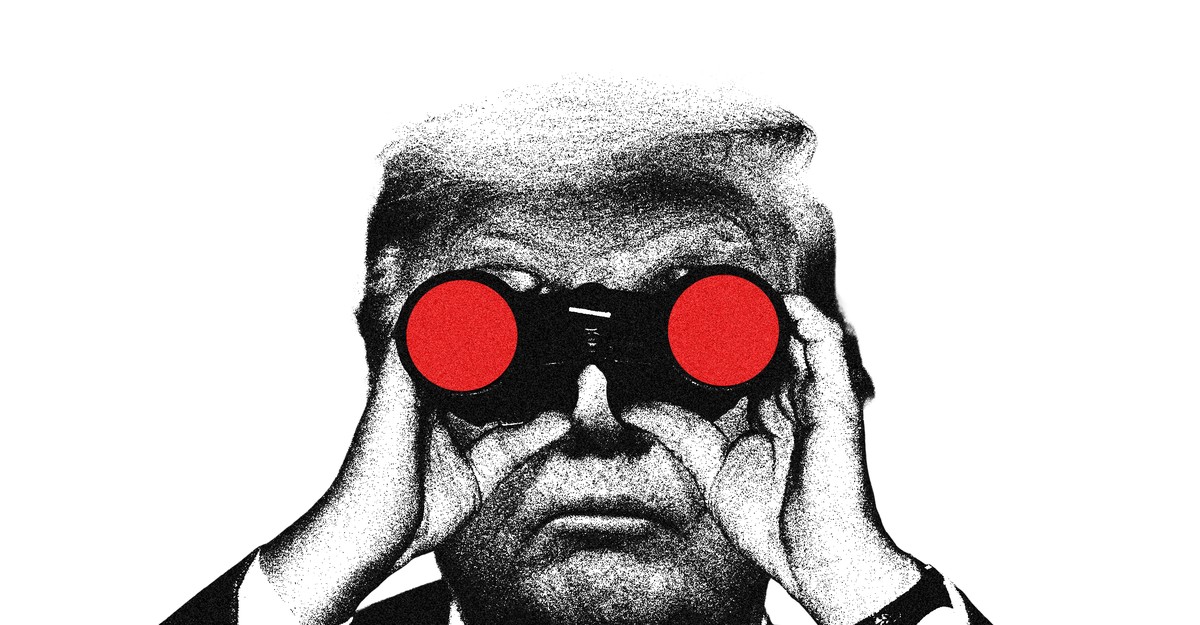
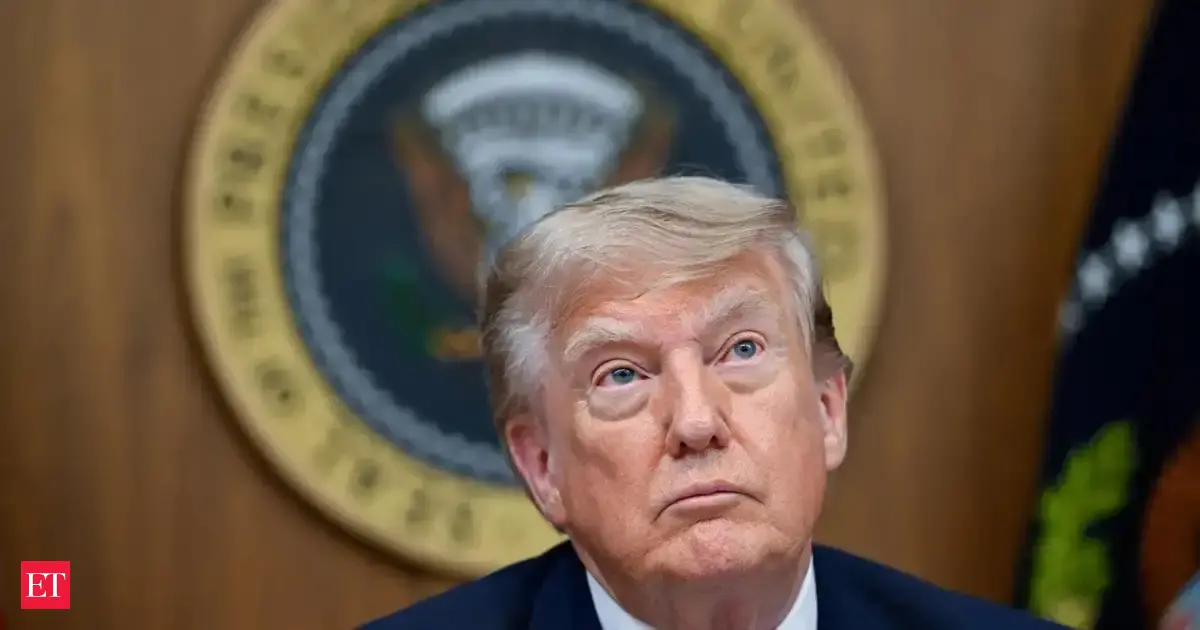
US President Donald Trump has sharply criticized Iran’s leadership after Tehran said it was not in talks with Washington. Trump described the Iranian government as “duplicitous,” arguing that it had privately sought discussions aimed at ending the conflict while publicly denying that any negotiations were taking place.
The latest exchange adds to a fast-moving confrontation between the United States and Iran. Trump also renewed pressure on Tehran by demanding what he called “Total Surrender,” a phrase that underlined the hardening tone coming from the White House as the crisis deepens.
At the same time, attention has turned to the Strait of Hormuz, where an escalating naval blockade is raising concerns about regional security and global trade. The waterway is one of the world’s most important energy chokepoints, so any military buildup or disruption there is watched closely by governments and markets.
Iran’s public denial of talks and Trump’s response suggest that any diplomatic opening remains uncertain. With both sides sending conflicting messages and tensions climbing in and around the Gulf, the dispute appears to be entering a more dangerous and unpredictable phase.