Fortune’s latest Gulf Brief looks at whether a UN-backed effort to reopen the Strait of Hormuz could help move a long-running regional impasse. The focus is not only on diplomacy, but on whether international support can create enough momentum to restore confidence around one of the most strategically important waterways in the world.
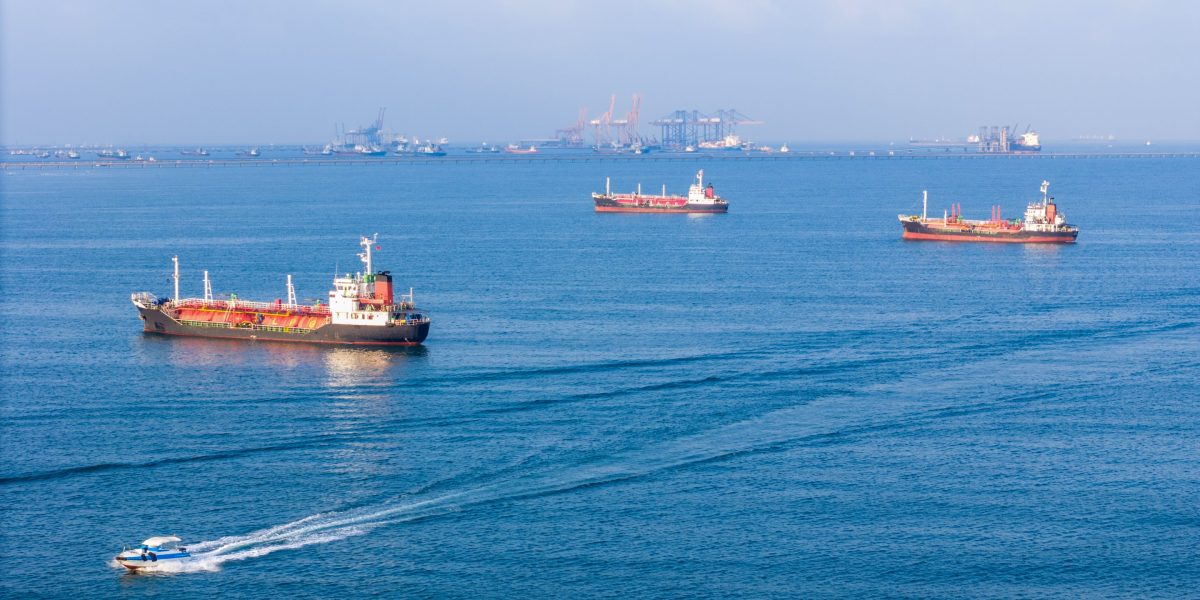
Any discussion of reopening Hormuz carries major implications for the Gulf and beyond. The strait is a critical passage for energy exports, commercial shipping, and broader regional stability, so even limited disruption can quickly become a global economic and political concern.
The newsletter frames the issue as a test of whether a multilateral approach can break a deadlock that local and regional actors have struggled to resolve on their own. A UN-supported plan could offer a more neutral framework, but its success would still depend on cooperation from the governments and stakeholders with direct interests in the waterway.
At the same time, the outlook appears uncertain because the blockage is tied to wider tensions across the Gulf. That means any progress in Hormuz would likely require more than a technical reopening plan, with political trust and sustained coordination remaining central to any lasting breakthrough.

![Day 1,623 of WW3. Today's MadLib: UAF uses sea drones to carry FPV drones to attack Crimean radars. Orcs destroy 300 year old Cossack church in Kherson, and another Widlberries warehouse has a sale on cotton. This is your Tuesday Ukraine war thread [News]](https://usrimg-full.fark.net/S/Sc/fark_ScK2-Rj1YUbqjDR8apivwZuDaxc.png?AWSAccessKeyId=JO3ELGV4BGLFW7Y3EZXN&Expires=1786334400&Signature=E%2BnUtSPWmcfIKWli9V%2FJVvIa6tw%3D)